Welcome to the August 1–15, 2026 edition of Google Cloud Platform Technology Nuggets. The nuggets are also available on YouTube.
AI and Machine Learning
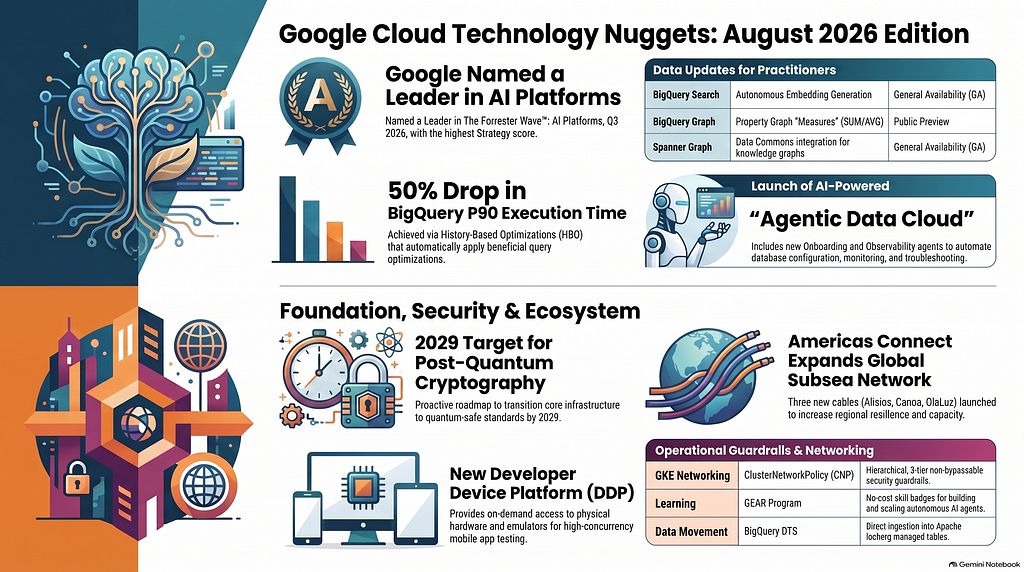
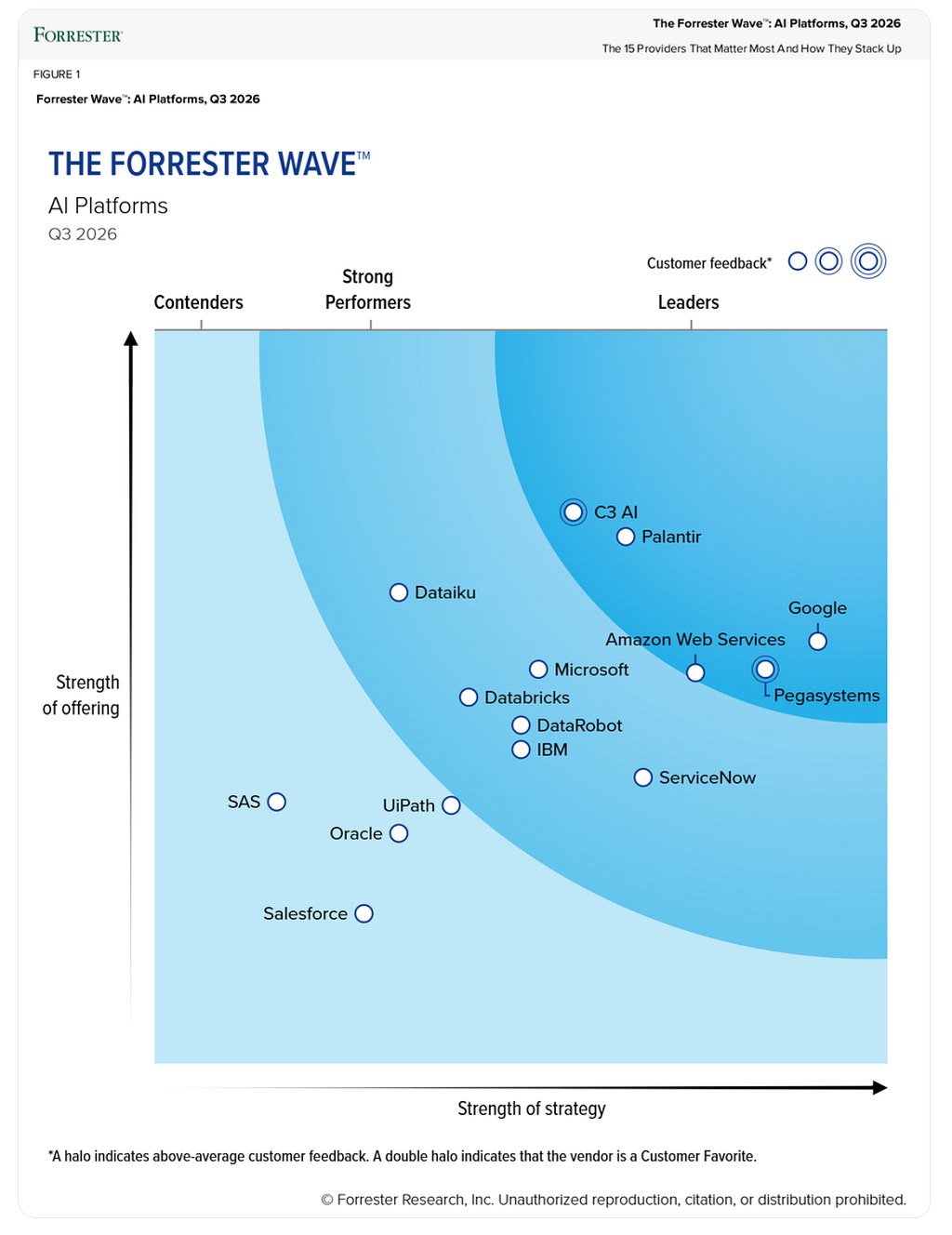
Google has been named a Leader in The Forrester Wave™: AI Platforms, Q3 2026 report, and received the highest score in the Strategy category. Check out the blog post and access the full Forrester Wave™: AI Platforms, Q3 2026 report here.
Data Analytics
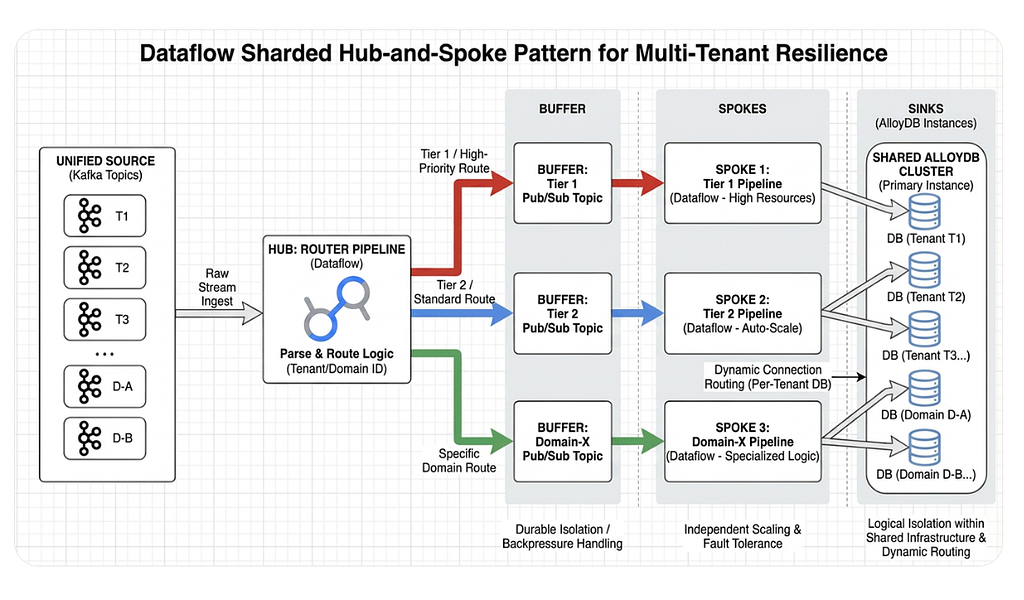
We have all heard about the “noisy neighbour”. No that the one that lives next door, but a “noisy neighbor” is a single tenant on a shared infrastructure that consumes excessive bandwidth, CPU, or memory, degrading performance and causing delays for everyone else on the platform. Understanding it highlights why isolating critical workloads and decoupling multi-tenant architectures is necessary to maintain system stability, ensure reliable SLAs, and prevent widespread operational outages. This article explains how to solve the “noisy neighbor” problem by transitioning from a monolithic pipeline to a sharded hub-and-spoke architecture to isolate workloads, prevent global outages, and protect multi-tenant SLAs.
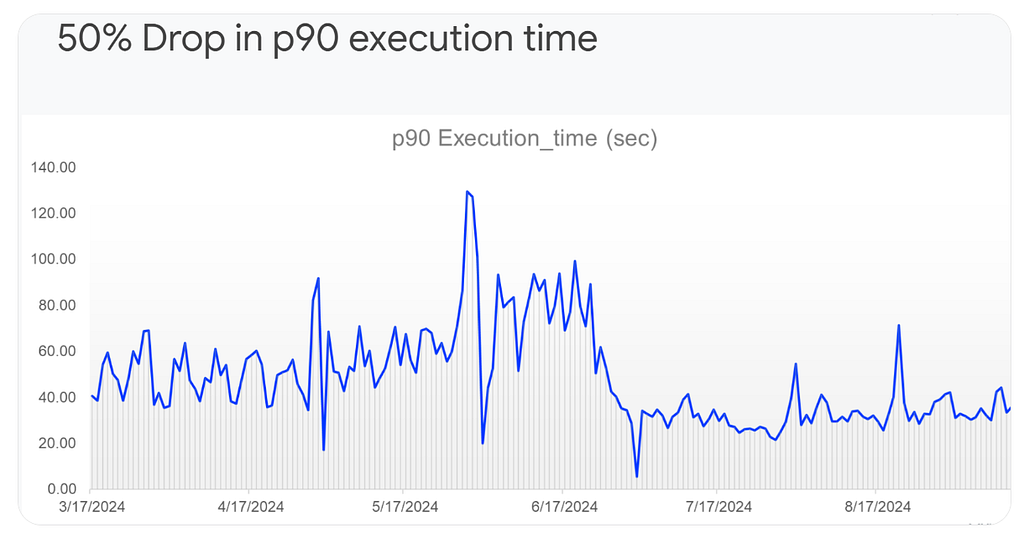
If you are looking to optimize BigQuery price-performance without manual query tuning, Google Cloud has introduced autonomous query processing features designed for high-concurrency and agentic workloads. The platform utilizes History-Based Optimizations (HBO) to learn from past executions, automatically applying beneficial optimizations and revoking ineffective ones with built-in safety guardrails to prevent regressions. For more details, check out the blog post.
Building and fixing in-house ETL pipelines that helps you do data ingestion into BigQuery can greatly benefit from BigQuery Data Transfer Service (DTS), which eliminates this engineering burden. As a fully managed, zero-code data movement solution, BigQuery DTS automates data ingestion into BigQuery allowing your teams to transition from pipeline maintenance to strategic data science. The latest update in this service equips it with direct ingestion into Apache Iceberg managed tables (in preview) from storage services like Google Cloud Storage, Amazon S3, and Azure Blob Storage. It also adds a fully managed remote Model Context Protocol (MCP) Server in preview. Check out the blog post.
BigQuery Search has introduced key updates that help to unify structured and unstructured data processing within a single warehouse:
- Autonomous Embedding Generation reaches General Availability (GA), allowing BigQuery to automatically and continuously generate text and multimodal image embeddings in the background via AI.EMBED without requiring external orchestration.
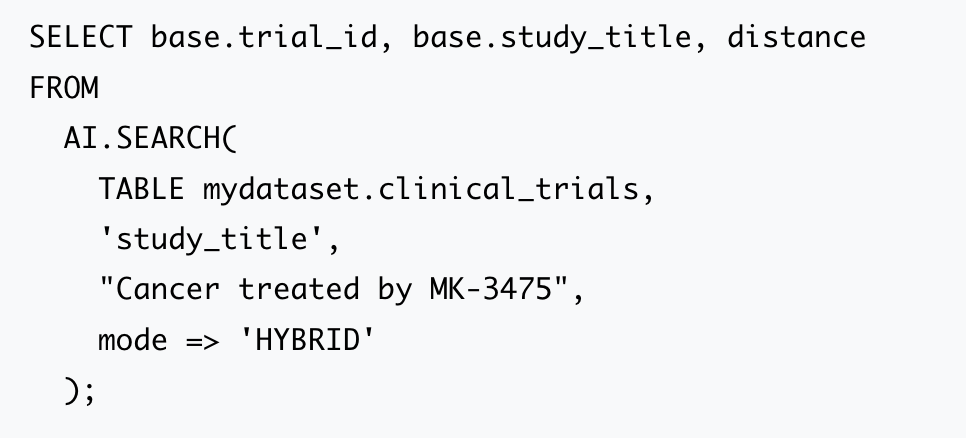
- The AI.SEARCH function is also generally available, optimized for single-query execution to lower latency and slot usage for natural language queries.
- A Public Preview for Hybrid Search, combining semantic vector search and keyword matching through algorithms like Reciprocal Rank Fusion and BM25 to improve retrieval accuracy for technical or exact terms.
Check out the blog post.
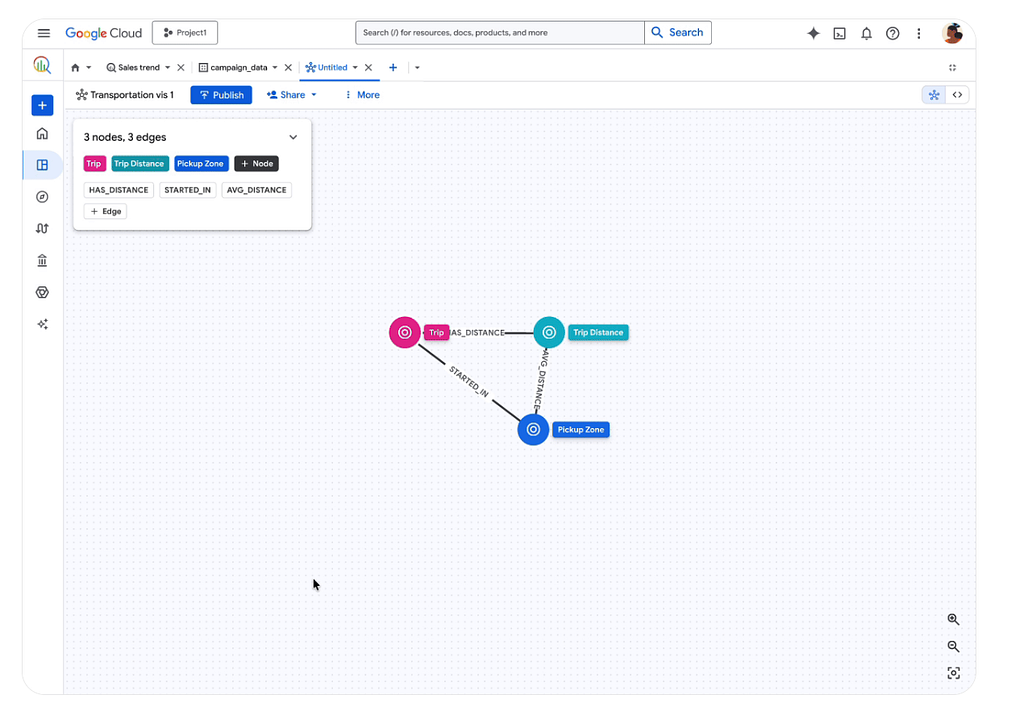
BigQuery Graph has released measures in preview. Measures in BigQuery Graph allow you to map existing tables to a property graph in-place with zero ETL, resolving multi-hop dependency traversals using standard SQL via the GRAPH_EXPAND function and the AGG aggregator. Defining measures like SUM or AVG directly within the Property Graph DDL ensures structural paths are resolved before calculating metrics, eliminating row duplication from standard SQL joins. For more details, check out the blog post.
Databases
Gemini in Database Migration Service (DMS) can now help with your database migration tasks, especially AI-assisted code conversion. While schema and data migration are typically straightforward, converting legacy stored procedures, triggers, and custom functions from proprietary dialects like PL/SQL or T-SQL to PostgreSQL PL/pgSQL usually requires extensive manual effort. Gemini in DMS addresses this by providing side-by-side code conversion, inline AI explanations, and full schema context awareness that considers table relationships, data types, and cross-procedure dependencies. For more details, check out the blog post.
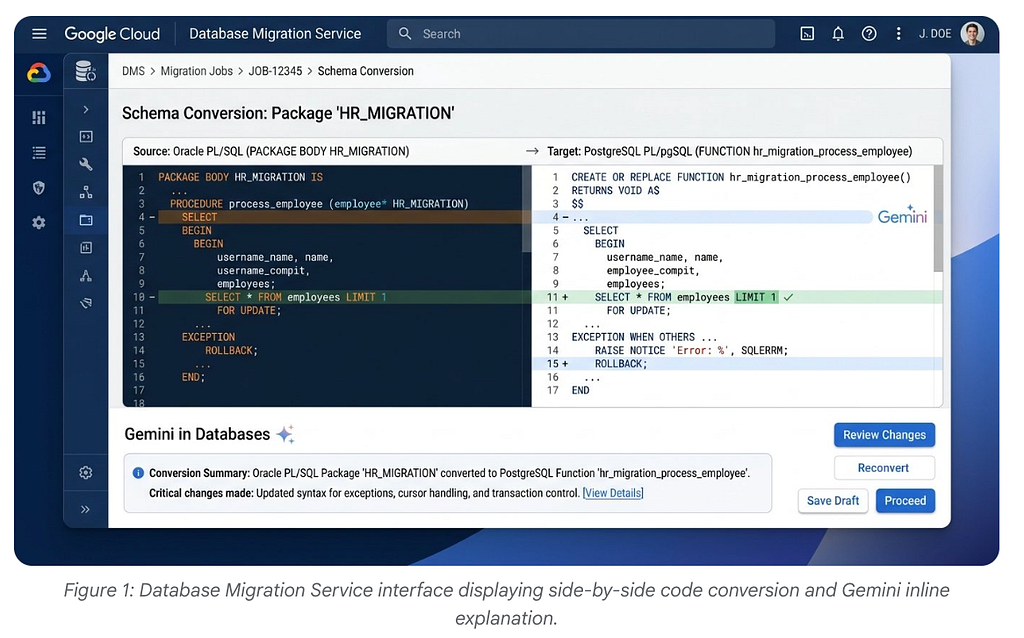
Google Cloud introduced two new AI-powered database agents as part of the Agentic Data Cloud launch to streamline database management across the entire product lifecycle:
- Database Onboarding Agent (Day 0): Helps teams choose, configure, and deploy the right database service (such as Cloud SQL, Spanner, or AlloyDB) based on natural language descriptions of workload performance, latency, and scale requirements.
- Database Observability Agent (Days 1 & 2): Automates monitoring, troubleshooting, and ongoing maintenance. It correlates telemetry across Cloud Monitoring, Logging, and Trace to pinpoint root causes (e.g., query hotspots, lock contention) and recommends or executes validated remediations.
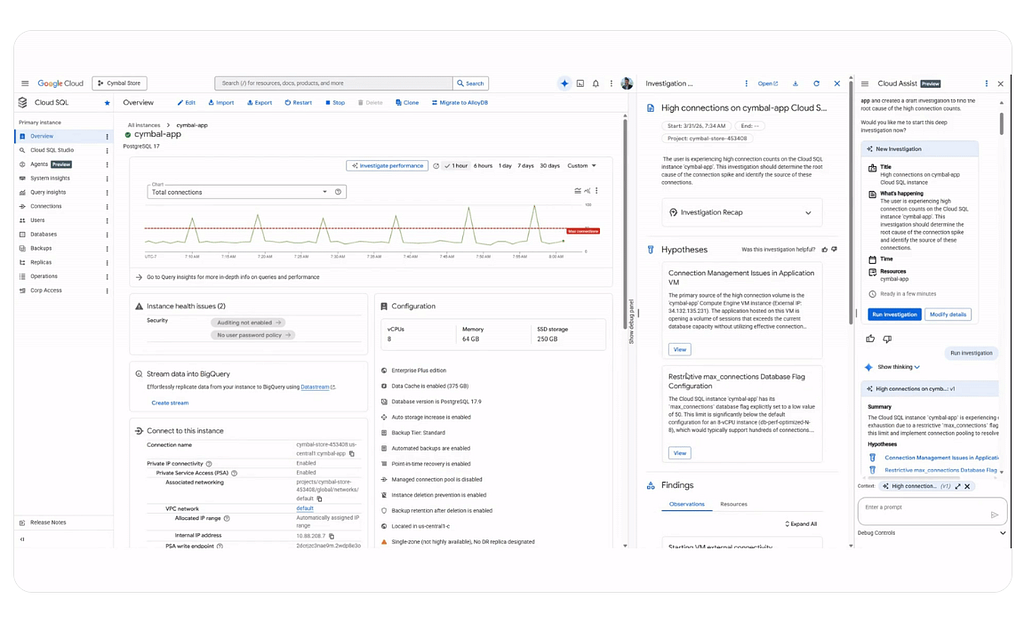
If you are looking to unify public and private datasets into a single knowledge graph, Google Cloud has introduced the general availability of Data Commons on Spanner Graph alongside a preview of the Data Commons Platform. Moving away from a legacy architecture reliant on Bigtable caching layers, the platform now uses Spanner Graph’s multi-entity schema to represent entities as nodes and domain links as dynamic graph edges. For more details, check out the blog post.
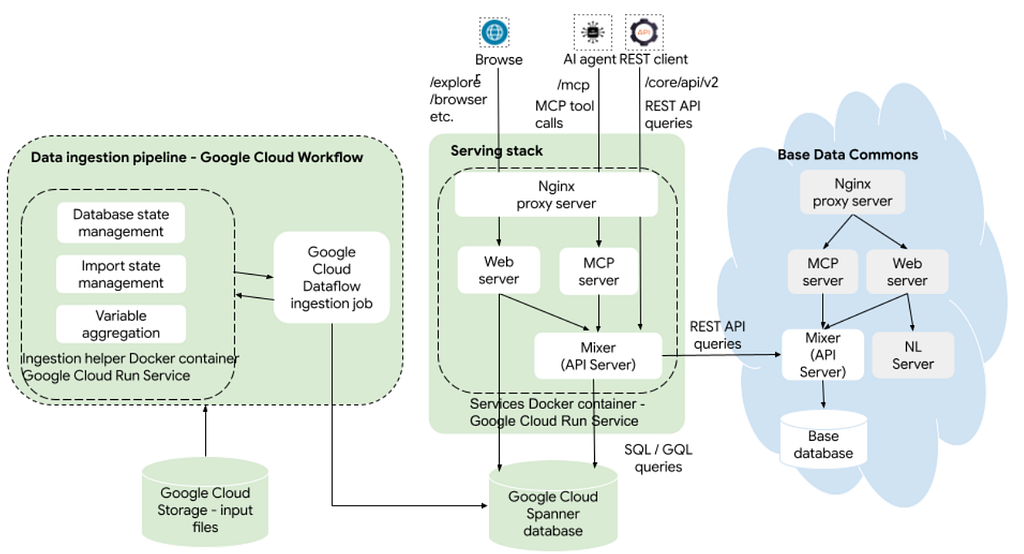
Developers & Practitioners
If you are looking to understand how Google Cloud builds, tests, and scales Google Agent Skills, this article outlines the process of packaging Google Cloud domain knowledge into structured instructions for AI coding agents. To ensure quality across contributions, every skill follows a standardized repository layout and prioritizes referencing remote Model Context Protocol (MCP) tools over CLI or API calls. The publishing workflow relies on automated CI/CD checks, including linters, link checkers, and AI-assisted checklists, before merging code, alongside continuous evaluations run on submit and weekly to measure accuracy and efficiency against multiple agent frameworks. For more details, check out the blog post.
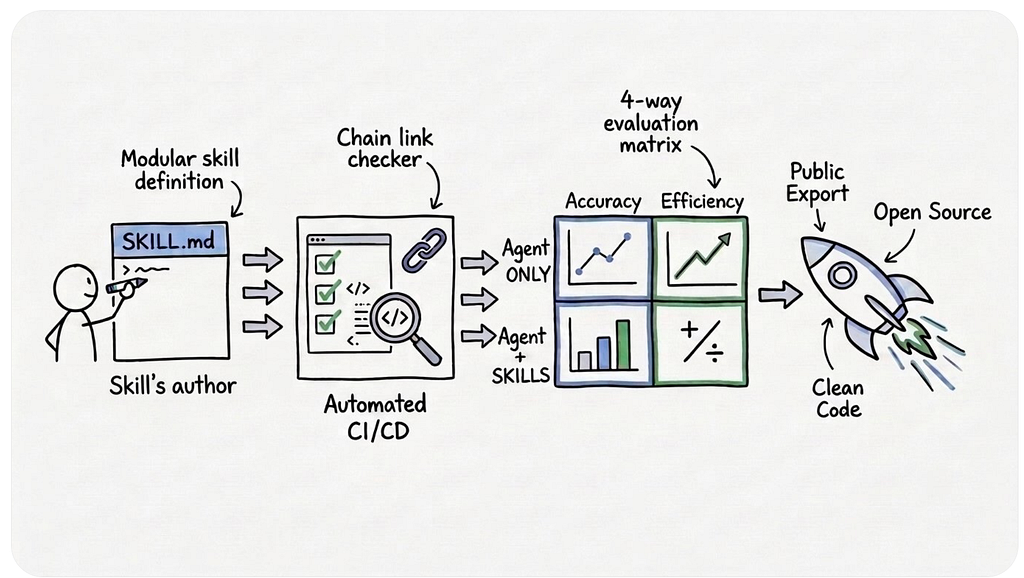
Google Cloud has introduced the Developer Device Platform (DDP) in public preview, a fully managed platform providing on-demand access to real physical devices and high-concurrency virtual emulators for mobile application development. Built to evolve Firebase Test Lab for agentic development, DDP enables developers and AI coding agents to vibe code, run tests, debug, and optimize app performance across hardware configurations. The platform features two main components: the Device Streaming API for direct access to devices for real-time interactive debugging, and the Device Run API for parallel testing across hundreds of devices within CI/CD pipelines. For more details, check out the blog post.
Security and Identity
Are you looking to protect your cloud infrastructure from costly unauthorized access and operational downtime? This article details how Google Cloud proactively identifies and contains emerging threats like AI key exploitation, cryptomining, and credential leaks without interrupting your legitimate workloads. Reading it will give you a practical blueprint to harden your environment using identity controls, proactive logging, and least-privilege policies under Google’s “shared fate” security model. For more details, check out the blog post.
The second Cloud CISO Perspectives for July 2026 is out. The main theme discusses how AI security and automated threat defense are essential business enablers that boards of directors must govern to maintain agility and resilience against machine-speed threats.
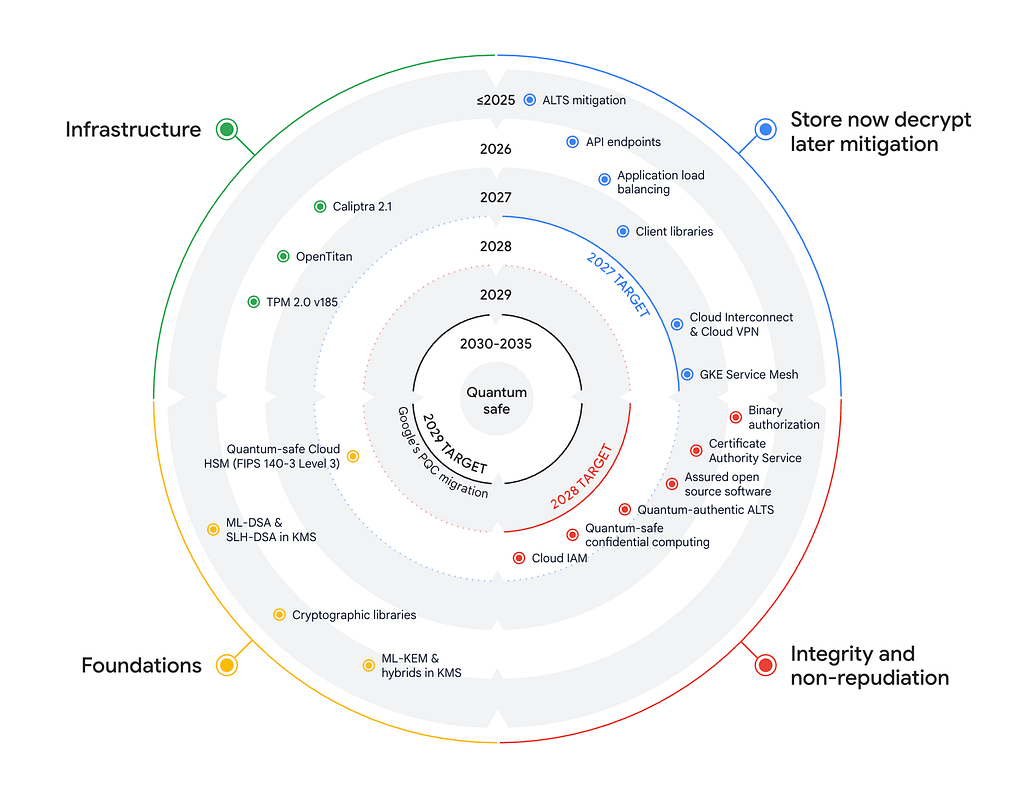
Post-Quantum Cryptography (PQC) refers to next-generation cryptographic algorithms designed to secure digital systems against the threat of cryptographically-relevant quantum computers, which could easily break traditional encryption standards. Google Cloud’s PQC roadmap is crucial because it establishes a proactive, risk-based strategy to transition core infrastructure, developer tools, and customer data to quantum-safe standards by 2029. Read more about it.
Infrastructure and Networking
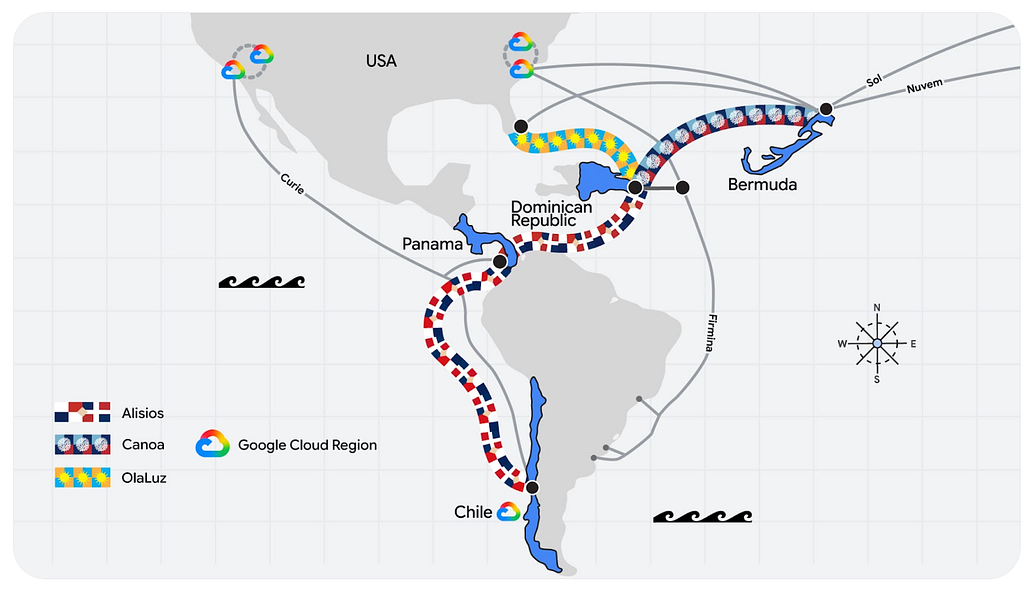
Google Cloud has introduced Americas Connect, expanding global network infrastructure with three subsea cables (Alisios, Canoa, and OlaLuz ) and a new extension branch for the Firmina cable. These systems connect Latin America, the Caribbean, North America, and Europe via redundant paths to increase network capacity, routing diversity, and regional resilience. For more details, check out the blog post.
Networking
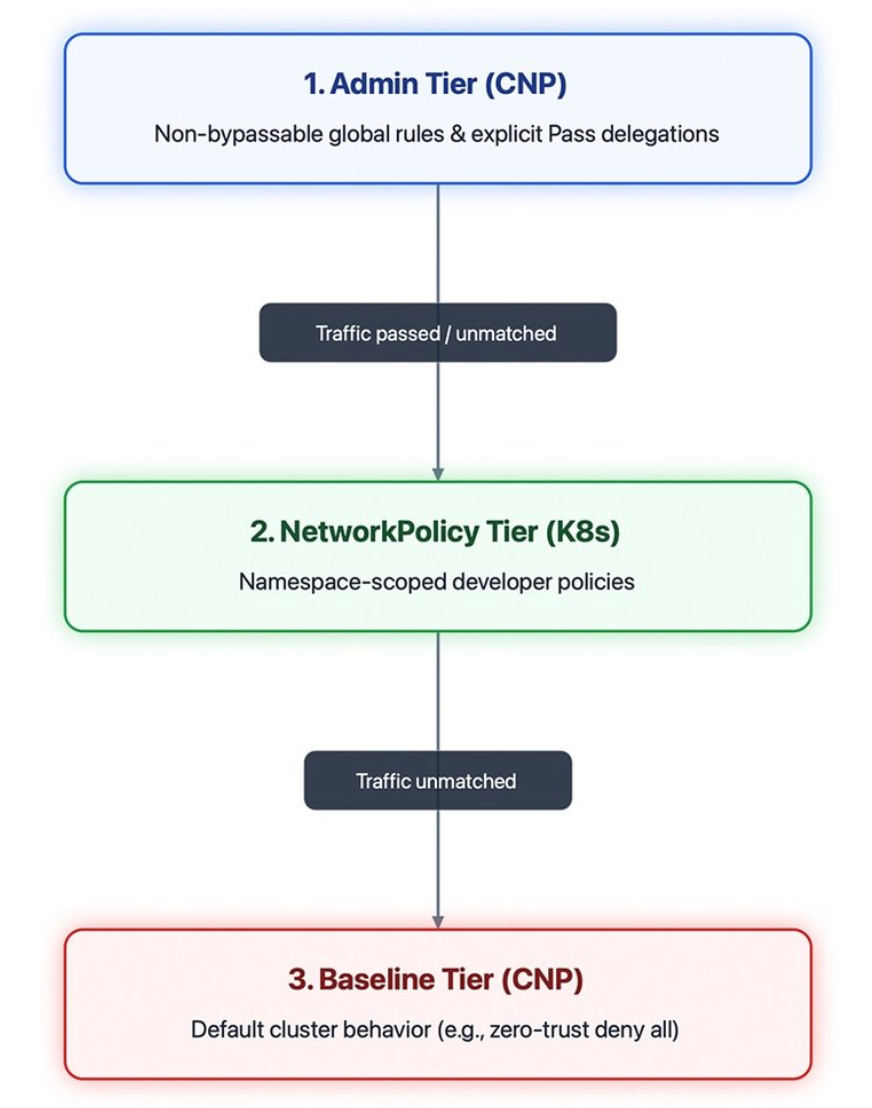
ClusterNetworkPolicy (CNP) is now available in preview for Google Kubernetes Engine (GKE) version 1.36 and later to deliver centralized, cluster-wide network security management. Developed by the Kubernetes SIG-Policy Working Group and built on Cilium, CNP uses a hierarchical, three-tier evaluation model (Admin tier, NetworkPolicy tier, and Baseline tier) to establish non-bypassable security guardrails while allowing developer autonomy. For more details, check out the blog post.
Learn about Google Cloud
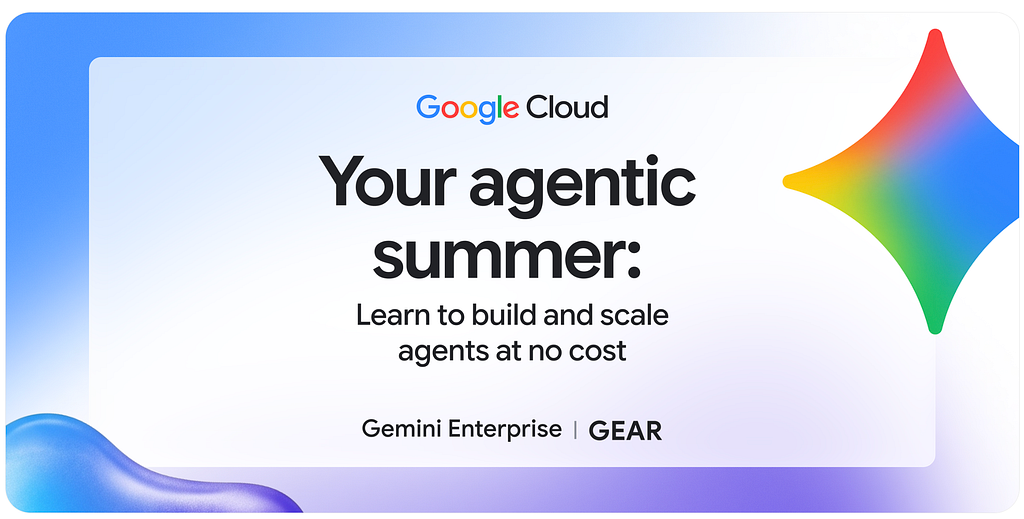
Looking to build, scale, and operationalize autonomous AI agents in production, Google Cloud has introduced a series of no-cost learning resources, hands-on labs, and skill badges under the Gemini Enterprise Agent Ready (GEAR) program. Designed for developers and practitioners, the curriculum covers agent decision models, execution loops, session state management, and custom domain skill creation. Developers can also test these capabilities by participating in the All Things Agentic Hackathon. For more details, check out the blog post.
Write for Google Cloud Medium publication
If you would like to share your Google Cloud expertise with your fellow practitioners, consider becoming an author for Google Cloud Medium publication. Reach out to me via comments and/or fill out this form and I’ll be happy to add you as a writer.
Stay in Touch
Have questions, comments, or other feedback on this newsletter? Please send Feedback.
If any of your peers are interested in receiving this newsletter, send them the Subscribe link.
Google Cloud Platform Technology Nuggets — August 1–15, 2026 was originally published in Google Cloud – Community on Medium, where people are continuing the conversation by highlighting and responding to this story.
Source Credit: https://medium.com/google-cloud/google-cloud-platform-technology-nuggets-august-1-15-2026-4f35cd31c687?source=rss—-e52cf94d98af—4
About the Author