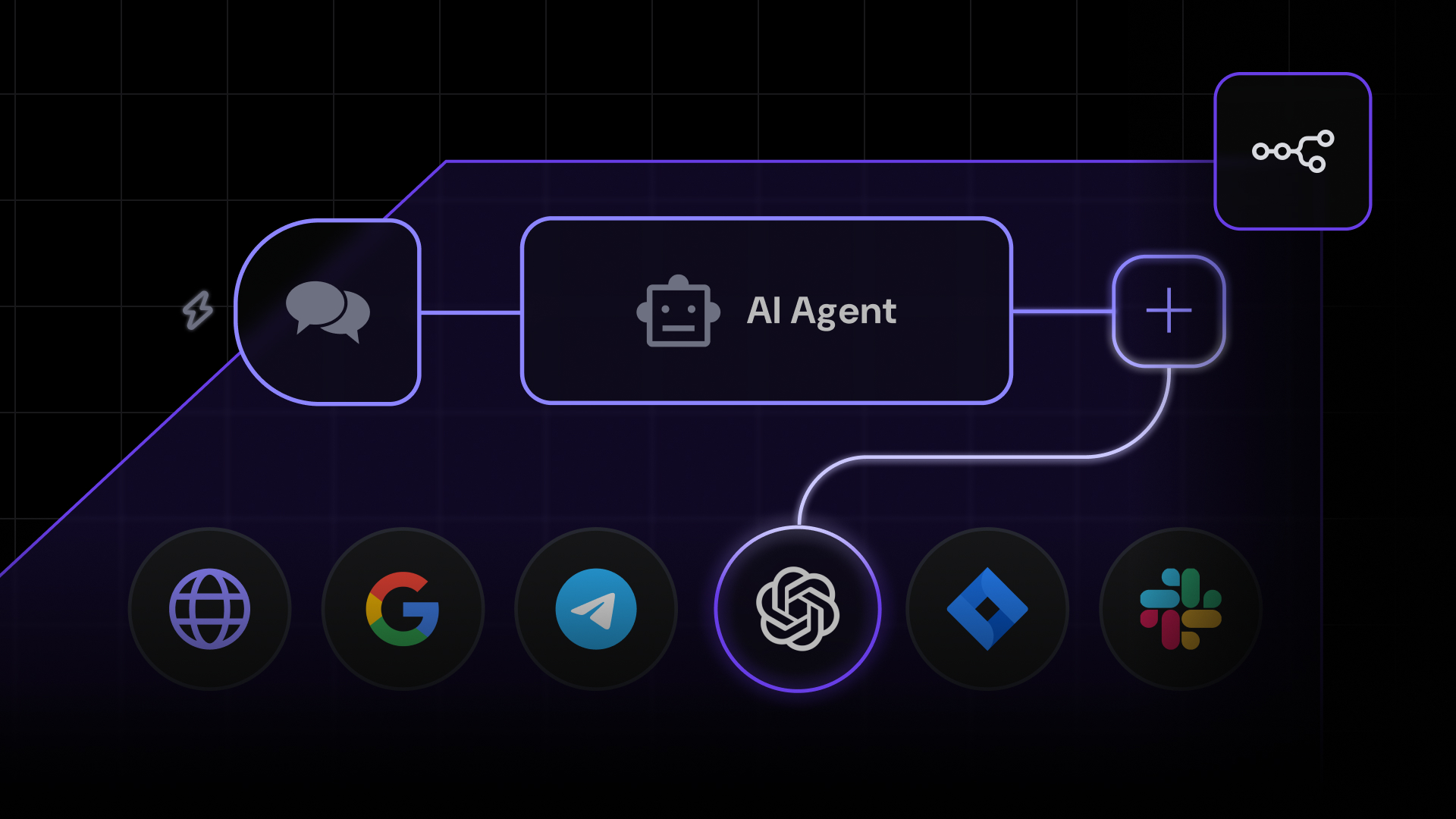
AI agents for real estate are AI systems that connect to tools such as your customer relationship management (CRM) platform, email, and calendar to handle tasks for you.
Unlike basic AI assistants or scripted chatbots, they can use live data and choose from approved actions, which helps them handle repetitive tasks that still vary from one client or situation to another.
Some of the most practical uses are lead follow-up, property matching, listing content, client communication, document processing, appointment scheduling, email marketing, and search engine optimization (SEO).
1. Lead qualification and follow-up
AI agents can qualify and follow up with new leads by asking about their budget, timeline, property type, and financing status, then scoring the responses and updating your CRM.
- Needs access to: website forms, CRM, email, calendar, and messaging apps
- Keep human control over: pricing discussions, negotiations, financial or legal questions, and unusual client situations
When inquiries come in through website forms, social ads, open houses, and other real estate lead generation methods, an agent can start the qualification process immediately instead of waiting for someone to review the lead manually.
One way to support this workflow is with Hostinger Agent, an AI-powered business assistant that connects with Gmail, HubSpot, and Google Calendar. Its sales-focused AI expert can then handle lead follow-up across the tools you already use.
2. Property search and buyer matching
AI agents can match buyers with suitable properties by comparing their requirements with available listings and summarizing why each property fits.
- Needs access to: CRM, authorized listing feeds, internal property data, and buyer requirements
- Keep human control over: listing availability, pricing, property condition, and the final recommendations shared with clients
This can save time when a buyer has several requirements to compare at once. For example, an agent could narrow a large set of listings to properties with three bedrooms, within budget, close to the buyer’s workplace, and with space for a home office.
The quality of those recommendations depends on the data the agent receives. Keeping buyer preferences and other relevant details up to date in a CRM designed for real estate gives it more reliable information to work with.
Matching criteria should stay focused on legitimate property preferences such as price, location, size, and features, not protected characteristics or information that could act as a proxy for them.
3. Listing content creation
AI agents can turn verified property information into drafts for your multiple listing service (MLS), website, email campaigns, and social media.
- Needs access to: verified listing data, brand guidelines, and format requirements for each channel
- Keep human control over: measurements, amenities, location claims, property condition, and fair-housing language
This can reduce the repetitive work of rewriting the same property details for different channels. One verified property brief can become an MLS description, website copy, photo captions, an email highlight, and social media posts, with each version adapted to its format.
A tool such as Hostinger Agent can also use specialized content and marketing AI experts to help prepare different versions of the same verified listing information for multiple channels.
Always check the facts before publishing. AI can produce polished copy from incomplete or incorrect source information, and listing language should describe the property rather than the ideal buyer or neighborhood demographics.
4. Client communication
AI agents can handle routine client communication by preparing replies, reminders, property updates, and follow-up messages.
- Needs access to: email, calendar, CRM, website chat, and messaging apps
- Keep human control over: negotiations, complaints, sensitive conversations, legal questions, and contract discussions
This helps when several clients need updates at the same time. An agent can confirm showings, remind clients about missing documents, notify buyers about new property matches, and prepare post-viewing follow-ups without you drafting each message from scratch.
When communication is spread across several tools, an agent can also use information from connected apps to keep the right context with each client. Hostinger Agent, for example, supports connected business apps alongside a customer communication-focused AI expert.
More sensitive conversations should still stay with you. If a message involves a complaint, negotiation, contract issue, or situation where tone and judgment matter, the agent can prepare a draft for you to review.
5. Document processing and transaction administration
AI agents can help manage transaction documents by extracting key information, organizing files, checking for missing details, and flagging deadlines.
- Needs access to: document storage, transaction management software, CRM, and internal checklists
- Keep human control over: interpreting documents, verifying extracted information, and making legal or transaction decisions
This can reduce the manual work of reviewing and organizing documents throughout a transaction. For example, an agent could scan an inspection report for major findings, compare them with your checklist, and flag an upcoming appraisal deadline.
The agent should support administrative work, not interpret contracts or make legal decisions. Because transaction files can contain sensitive personal and financial information, limit its access to only the documents and data needed for the task.
6. Appointment and showing coordination
AI agents can coordinate property showings by checking availability, suggesting times, sending confirmations, and updating calendars.
- Needs access to: calendar, CRM, email, messaging platforms, and showing management software
- Keep human control over: access requirements, occupied-property rules, restricted viewing times, multi-party arrangements, and sharing access codes
This reduces the back-and-forth involved in scheduling. You can set your available hours and property-specific rules, then let the agent suggest suitable time slots, confirm appointments, update the calendar, and handle routine rescheduling.
For anything involving property access or special viewing conditions, keep the final approval with you.
7. Email marketing and newsletters
AI agents can prepare real estate marketing emails and newsletters by pulling listing information, adding relevant updates, and adapting the content for different audiences.
- Needs access to: CRM, email marketing platform, listing data, website content, and brand guidelines
- Keep human control over: property details, market statistics, personalization fields, recipient lists, and final approval before sending
This can save time when the same campaign needs different versions for different audiences. For example, an agent could create one newsletter for buyer leads, another for seller leads, and a third for past clients using the same underlying listing and market information.
Existing real estate newsletter formats and examples can provide a starting point, which the agent can then adapt to each audience while keeping the structure and branding consistent.
8. Real estate SEO
AI agents can support recurring SEO tasks by checking existing pages, spotting issues, and preparing updates.
- Needs access to: your website, analytics, search performance data, keyword research, and editorial guidelines
- Keep human control over: search intent, local-market claims, keyword targeting, and final content approval
This can reduce the manual work involved in maintaining and improving a real estate website. For example, an agent could flag pages with missing meta descriptions, suggest relevant internal links, identify search topics for your service areas, or draft updates for older content.
The quality of those recommendations depends on the information you give the agent. Reliable keyword research, accurate website data, and a solid SEO setup for a real estate website give it a stronger basis for identifying useful improvements.
Hostinger Agent also includes an SEO-focused AI expert, making SEO another workflow that can be handled alongside sales, content, and marketing tasks from the same tool.
When to use AI agents for real estate
AI agents make sense for tasks where the next step can be decided from information already available in your tools.
For example, an agent can decide when to send a lead follow-up, which listings meet a buyer’s requirements, or which available time slots to offer for a showing.
They work best when the task:
- Happens often. Lead follow-up, listing updates, showing coordination, and newsletter preparation are all recurring tasks.
- Uses reliable existing data. The agent can work from CRM records, listing feeds, calendar availability, or transaction documents.
- Has clear rules for what happens next. For example, you can tell it to follow up with leads who plan to buy within 90 days.
- Doesn’t depend heavily on human judgment. Drafting, sorting, scheduling, and organizing are better fits than pricing, negotiating, or interpreting legal documents.
Best practices for using AI agents in real estate
To use AI agents safely in real estate, give them accurate data, limit what they can access and do, and keep human review in place for anything that could affect a client or transaction.
- Use reliable, current data. If your CRM and MLS feed show different prices, the agent needs to know which source to trust. Outdated listings, incorrect contact details, or unverified property information can lead to inaccurate results.
- Limit permissions. Give the agent access only to the data and tools it needs for the task. An agent that drafts listing descriptions, for example, doesn’t need access to transaction documents or financial records.
- Keep humans in the loop. Require approval before the agent sends messages, changes important records, or takes actions that could affect a client or transaction.
- Protect client privacy. Transaction files can contain sensitive information such as Social Security numbers, bank statements, and pre-approval letters. Check how connected tools process, store, and share that data before giving an agent access.
- Test before going live. Test realistic situations such as incomplete lead details, conflicting listing information, failed integrations, and messages that should be escalated to you rather than sent automatically.
How to get started with AI agents in real estate
To get started with AI agents in real estate, choose one repetitive, low-risk task and test it before expanding to more complex work. Lead qualification, follow-up messages, listing descriptions, showing coordination, and CRM updates are good starting points. Avoid contracts, negotiations, and other decisions that require significant human judgment.
Connect only the data and tools the task needs, then set clear rules for what the agent can do automatically and what still requires your approval. If you want to start with a ready-made option, Hostinger Agent lets you work with specialized AI experts across several business functions instead of building an agent from scratch.
Test the workflow with realistic situations before using it with clients. Once it consistently handles the task correctly, you can expand it to related work or build an AI agent with more complex goals and access to additional tools.
All of the tutorial content on this website is subject to
Hostinger’s rigorous editorial standards and values.
Apply for Premium Hosting
Source Credit: https://www.hostinger.com/in/tutorials/ai-agents-for-real-estate/
About the Author