Welcome to the April 1–15, 2026 edition of Google Cloud Platform Technology Nuggets. The nuggets are also available on YouTube.
Google Cloud Next 2026
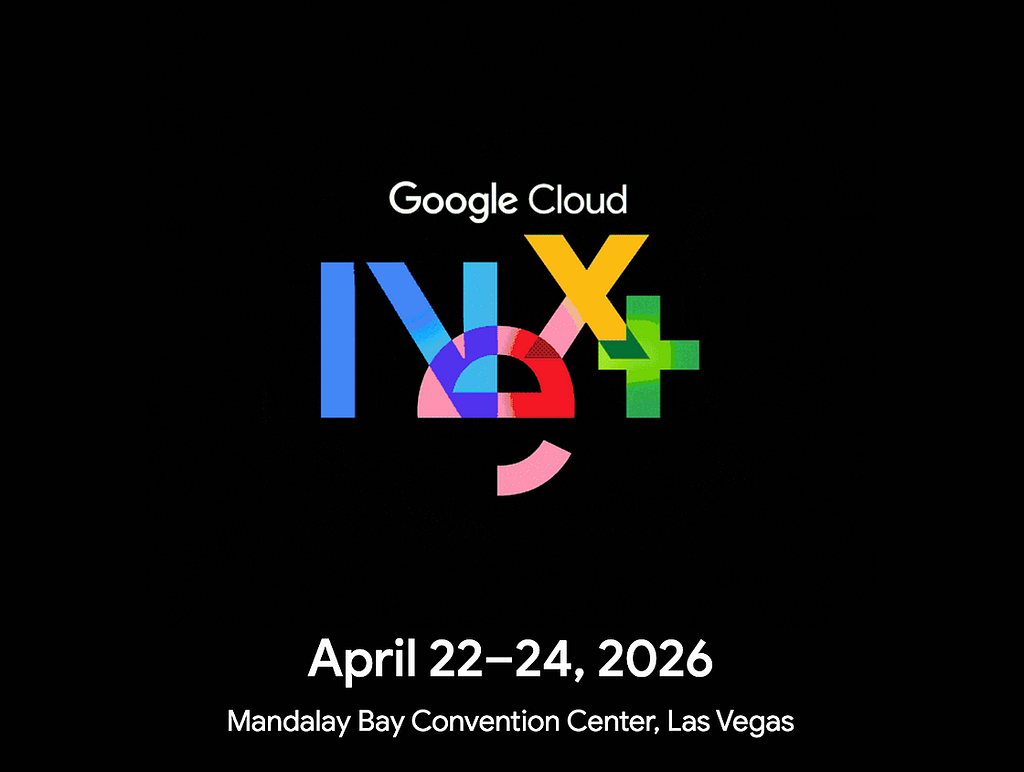
The biggest event of the year, Google Cloud Next 2026, is next week. The next edition is likely to be full of Next 2026 updates but till then, ensure that you are registered at the event site. They keynotes will be live streamed.
AI and Machine Learning
Google Cloud has introduced the Gemma 4 family of open models, built from Gemini 3 research and released under an Apache 2.0 license. These models feature a 256K context window, native vision and audio processing, and support for over 140 languages. For deployment, developers can use Vertex AI for self-managed endpoints and fine-tuning, or access the 26B MoE model via a serverless managed service. The models support agentic workflows through the Agent Development Kit (ADK) and can be served on Cloud Run using NVIDIA Blackwell GPUs, or on Google Kubernetes Engine (GKE) via vLLM and the GKE Agent Sandbox for secure code execution.
How about integrating music generation into your applications? Lyria 3 and Lyria 3 Pro models are now available in public preview on Vertex AI. These models allow for the creation of high-fidelity stereo audio using text prompts or reference images, with Lyria 3 Pro supporting compositions up to three minutes and Lyria 3 providing tracks up to 30 seconds. Check out the post for all technical features.

Continuing on the Lyria front, how about not just generating music but also mastering music generation. Check out the Ultimate prompting guide for Lyria 3 models to help developers navigate the technical capabilities of Lyria 3 and Lyria 3 Pro.
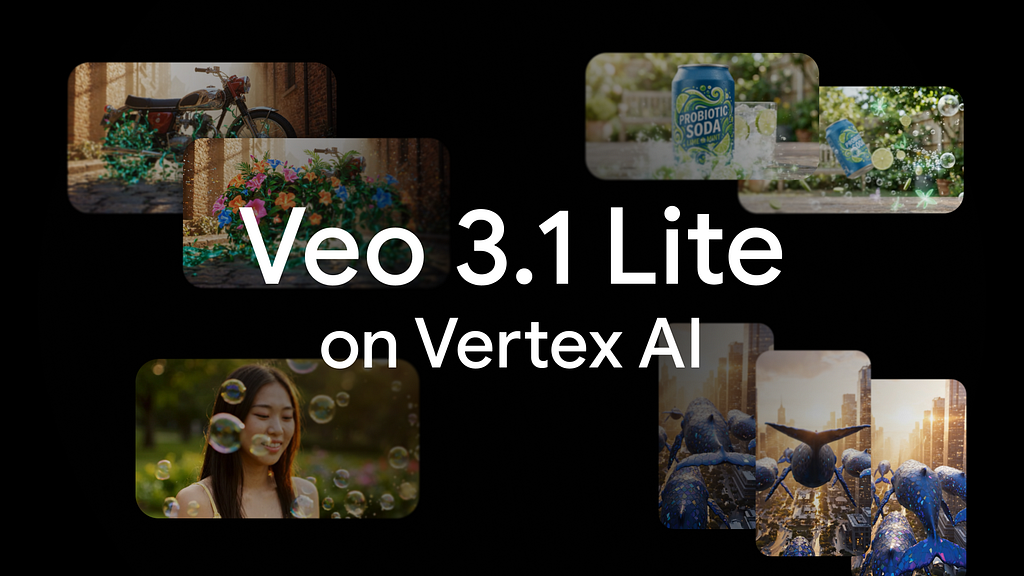
From music, let’s move to video generation. There is the newly announced Veo 3.1 family of video generation models on Vertex AI, featuring three distinct tiers: Veo 3.1 for high visual fidelity, Veo 3.1 Fast for decreased latency, and Veo 3.1 Lite for cost-optimized, high-volume applications. Check out the details.
Claude Mythos Preview, a general-purpose model from Anthropic is now available in private preview on Vertex AI as part of Project Glasswing. This model is designed for high performance across various use cases with a specific technical focus on reducing cybersecurity risks for enterprise applications. For more details, check out the blog post.
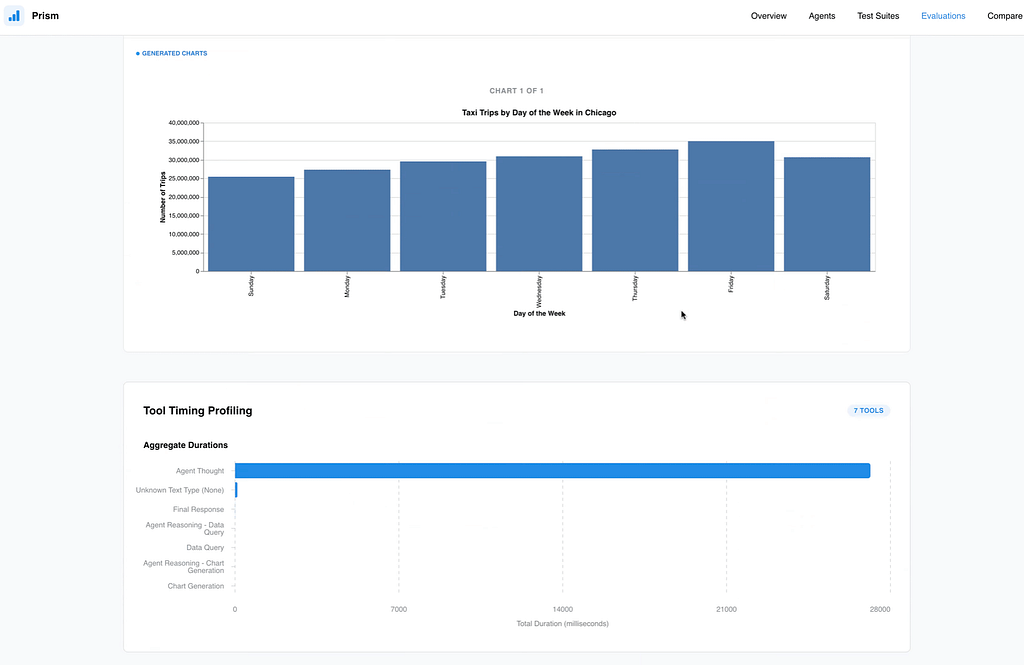
If you are thinking of moving your conversational analytics agents from prototype to production, Google Cloud has introduced Prism, an open-source evaluation tool designed for the BigQuery UI and API, as well as the Looker API. The framework functions by evaluating an agent against a test suite of specific questions using automated assertions, such as SQL clause checks, data row counts, and latency limits. For more details, check out the blog post.
Data Analytics
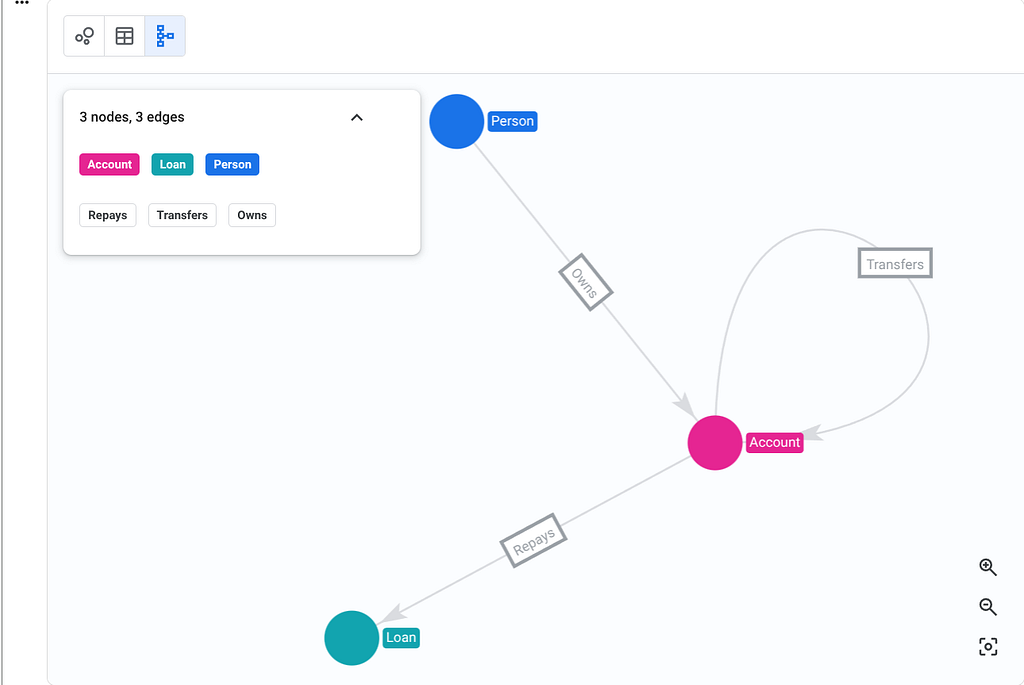
In a long awaited wish list for developers looking at Graph databases on Google Cloud, here is an interesting approach. Instead of having a separate Graph database solution, we have BigQuery Graph, a new tool designed to analyze complex relationships within large datasets using the ISO GQL standard. What is interesting here is its ability to create property graphs from existing tables without moving data. Developers can visualize the relationships and run GQL queries within BigQuery Studio itself. Check out the post that highlights this feature and tutorials on getting started.
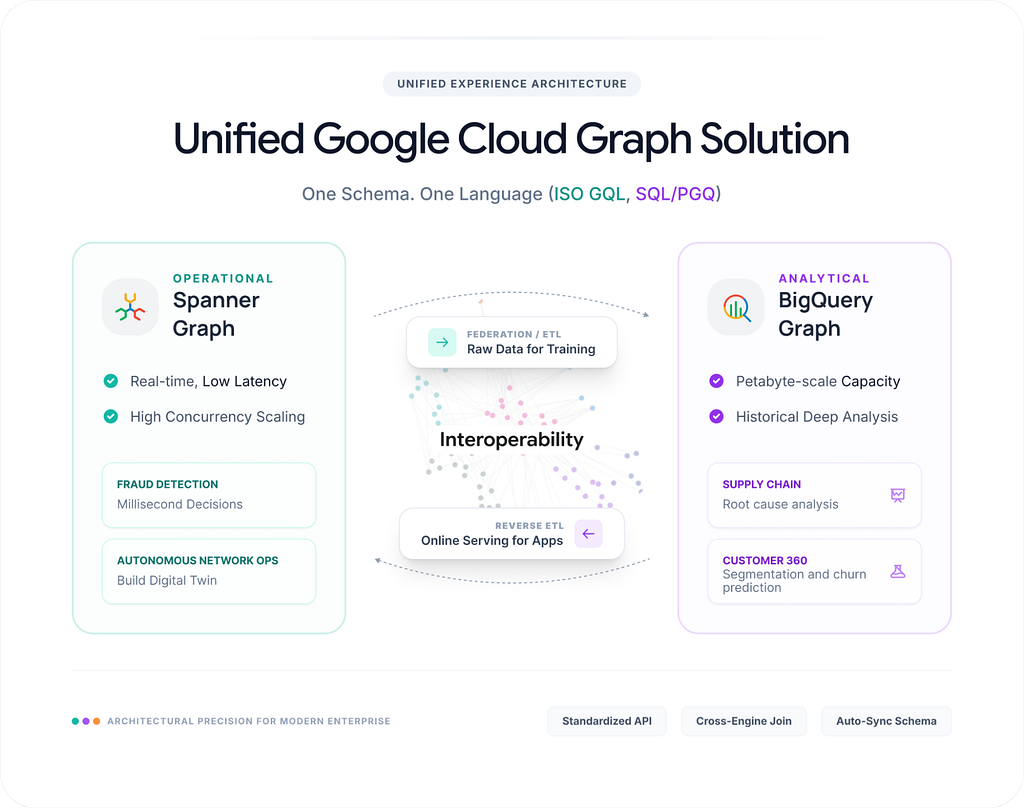
The key question that you might ask here is that Spanner already supports Graph. So in which scenarios is it preferable to use Spanner Graph v/s BigQuery graph. Or are they complementary? Check out this guide that highlights the operational v/s analytical needs that might help you decide on one approach over the other. In fact there is a unified solution that includes Data Boost for querying Spanner data directly from BigQuery without impacting transactional performance, reverse ETL for moving analytical insights back into Spanner, and built-in vector search for AI-driven applications.
Business Intelligence
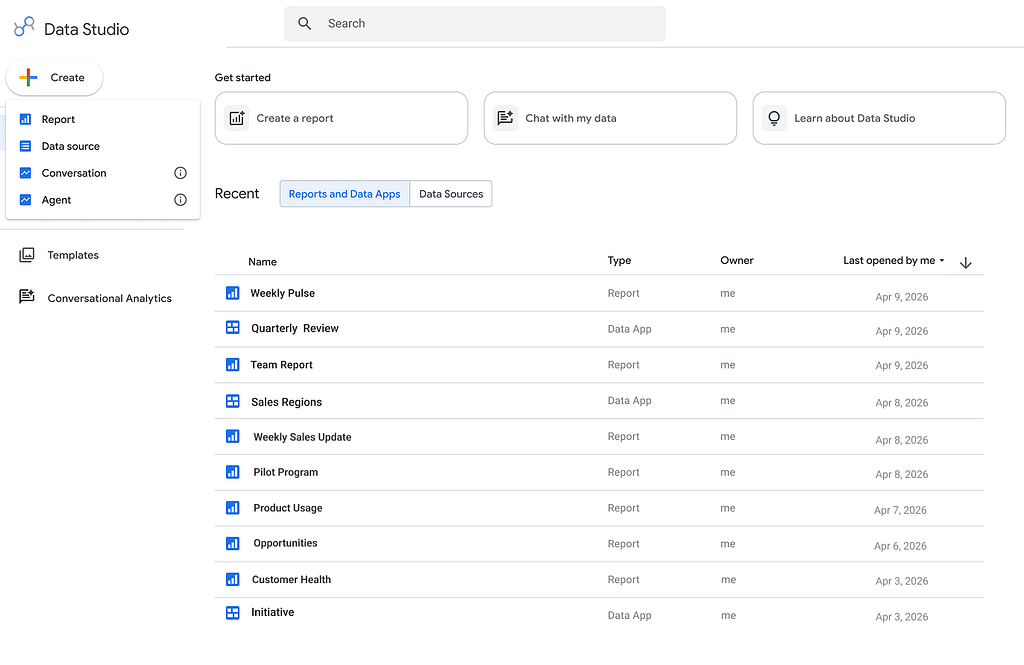
Looker Studio is now known as Data Studio. It will act as the primary hub for Google Data Cloud content. The platform now serves as a unified interface for BigQuery conversational agents, Colab enterprise notebooks, and interactive reports. While Looker remains the primary enterprise business intelligence platform for governed data and semantic modeling, Data Studio is positioned for ad-hoc exploration and rapid visualization of sources like Google Sheets and Ads. The service is available in a no-cost version for individual analysis and a Data Studio Pro edition, which provides technical teams with Google Cloud console integration, enhanced security, and AI features. Check out the post.
Databases
Spanner has seen key enhancements that allow it to function as a unified, multi-model database. By integrating relational, key-value, graph, and vector data models into a single system, the platform eliminates the need to manage disparate databases and reduces data inconsistency caused by synchronization pipelines. Key technical features include a vector search capability powered by ScaNN technology for high-dimensional indexes, a native graph database based on the ISO GQL standard, and a Cassandra-compatible endpoint for migrations. The system supports both KNN and ANN search methods and offers full-text search across structured and unstructured data in over 40 languages. Check out the post.
Once you’ve read the above post, check the next post in this Spanner series to understand how customers are putting it to use to solve real world problems like fraud detection, recommendation engines, hybrid search and more.
Translating Natural Language queries into accurate SQL is considered to be a key to reliable agents that are grounded in organization data, residing in mainstream SQL databases. To address the gap between conversational intent and database execution, Google Cloud has introduced QueryData, a tool in preview designed to translate natural language into database queries for AlloyDB, Cloud SQL, and Spanner. using Gemini models and specialized context engineering, which includes schema ontologies to define data meanings and query blueprints for specific SQL templates. Developers can integrate QueryData via an API or the Model Context Protocol (MCP) and refine accuracy through the Context Engineering Assistant and Evalbench testing framework. For more details, check out the blog post.
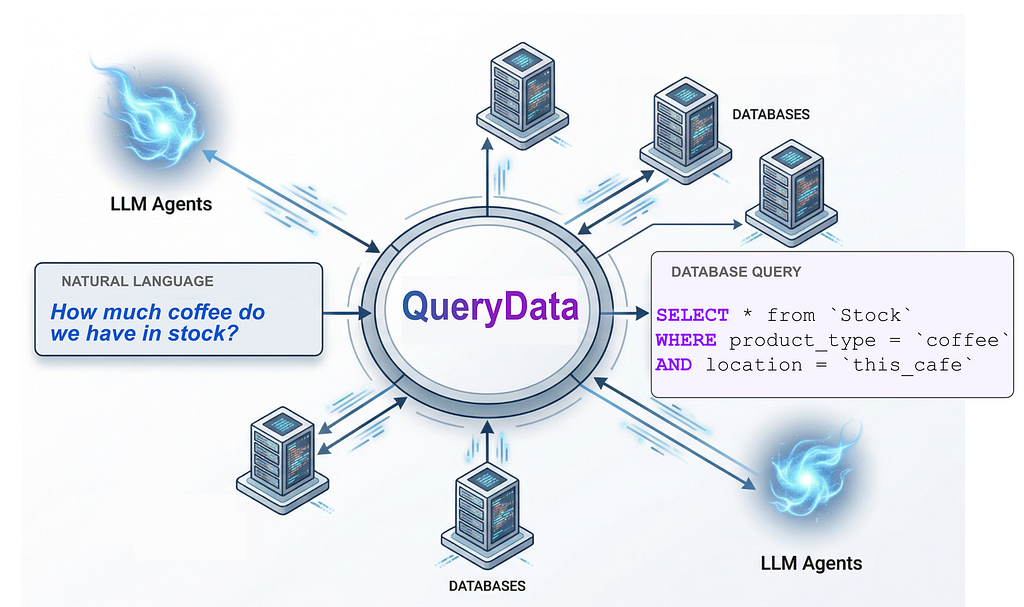
QueryData is key to improving the reliability of an Agent. But how does it achieve that and what are its key ingredients to making it happen. To achieve near-perfect accuracy and explainability, QueryData utilizes comprehensive context engineering built on three pillars:
- Schema Ontology, which provides natural language descriptions of database structures
- Query Blueprints, which use parameterized SQL templates and facets to maintain precise control over business logic
- Value Searches, which resolve data ambiguities and misspellings by querying the database directly.
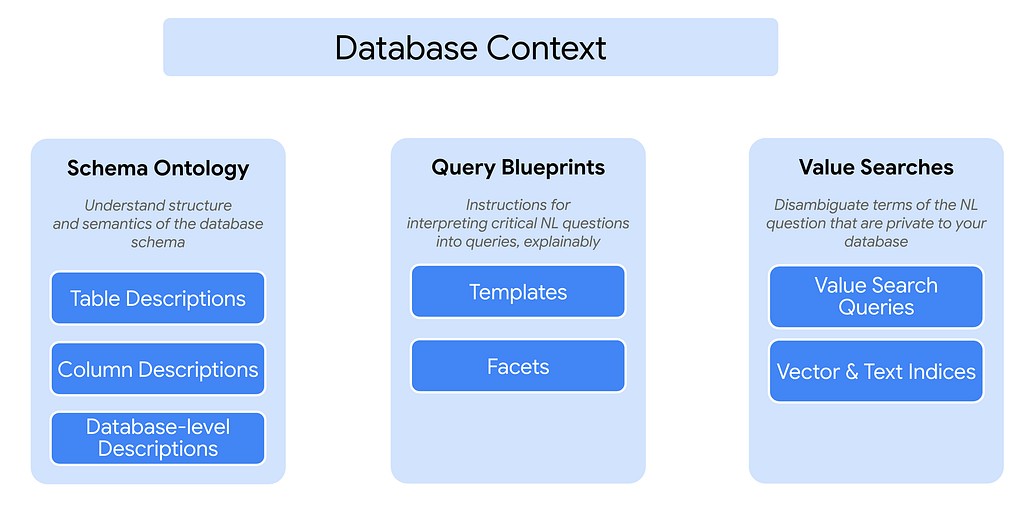
Read more on this over here.
Security and Identity
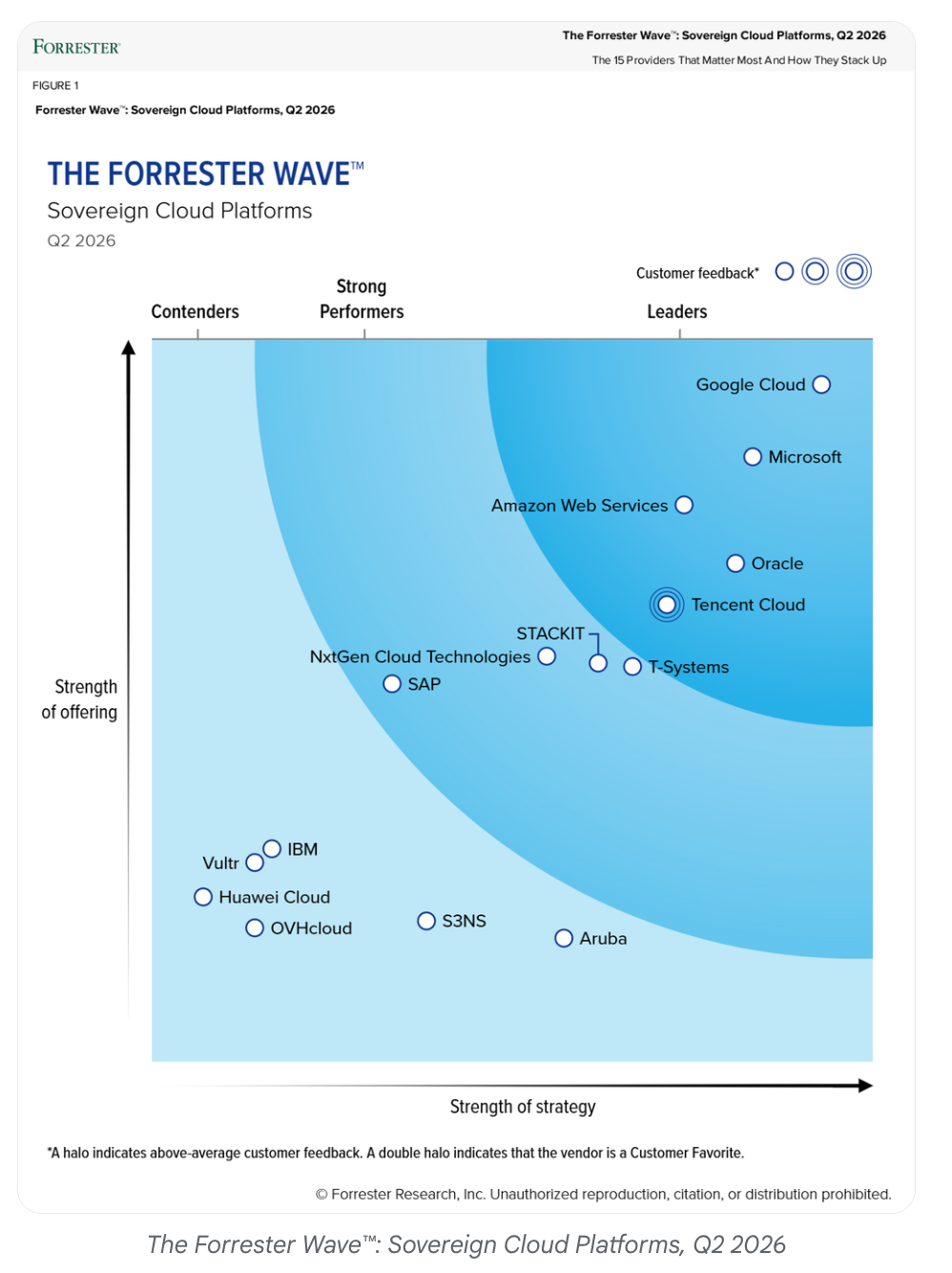
Google Cloud has been recognized aas a leader in the Forrester Wave™: Sovereign Cloud Platforms, Q2 2026. Check out the blog post to read and download the report.
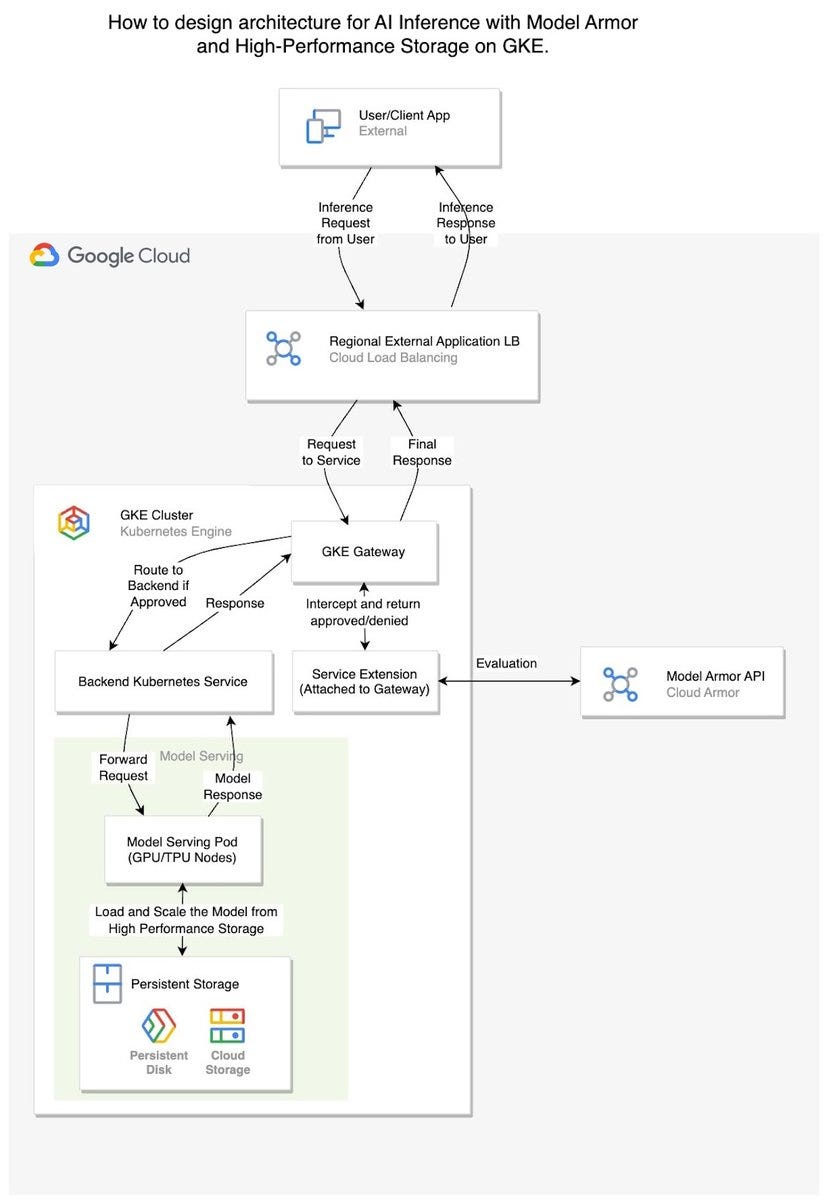
If you have setup your AI Inferencing on Google Kubernetes Engine (GKE), check out this solution that uses Model Armor and GKE Service Extensions. This approach addresses the limitations of relying solely on a model’s internal safety training by integrating Model Armor at the GKE Gateway, The capabilities include detecting prompt injections, filtering for restricted content, and scanning for sensitive data leakage via Data Loss Prevention integration.
Google Cloud has introduced domain filtering with wildcard capabilities for Cloud Next Generation Firewall (NGFW) Enterprise to provide more granular security than traditional IP-based defenses. The service performs deep inspection of HTTP(S) payloads at Layer 7, allowing or blocking connections based on domain names and Server Name Indication (SNI) headers. Check out the post.
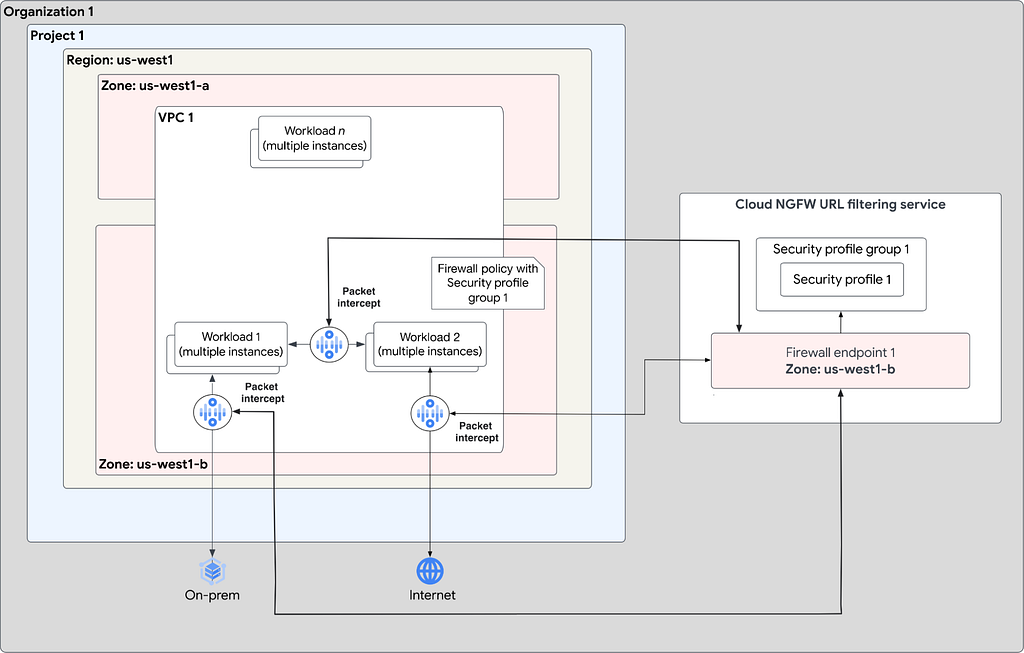
An enhanced Security Command Center (SCC) Standard tier is now enabled by default for eligible customers to provide foundational AI and cloud security. This update includes a unified AI protection dashboard capable of detecting unprotected Gemini inference and monitoring guardrail violations for large-language models. Additionally, the service now integrates Data Security Posture Management (DSPM) for Vertex AI, BigQuery, and Cloud Storage, while providing automated compliance reporting and in-context security findings directly within the Cloud Hub, GCE, and GKE dashboards. Check out the post for more details.
Developers & Practitioners
Looking for an architecture for event-driven data agents that integrates BigQuery continuous queries, Pub/Sub, and the Agent Development Kit (ADK) on Vertex AI? The architecture includes the BigQuery Agent Analytics plugin to log execution traces and tool usage for monitoring.
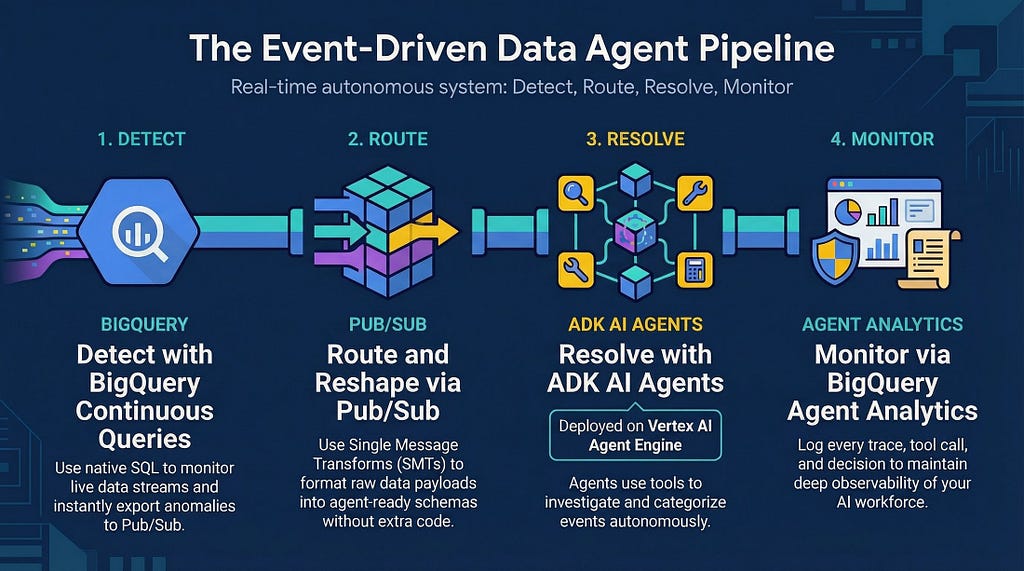
Check out this guide that gives you a step by step approach to making it happen:
- Starts with BigQuery monitoring data streams to detect events using SQL and exporting those results to Pub/Sub.
- Pub/Sub uses Single Message Transforms and JavaScript functions to reshape the data for the agent schema.
- A push subscription delivers the message to a Vertex AI agent, which uses tools to investigate the data and either resolve the event or escalate it.
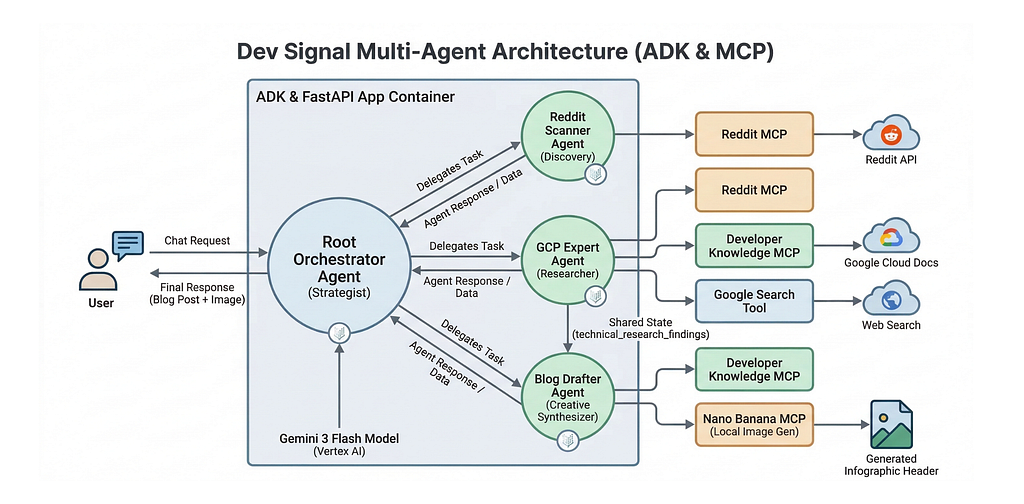
In past editions of this newsletter, we have covered “Dev Signal”, a multi-agent system designed to transform raw community signals into reliable technical guidance by automating the path from discovery to expert creation. The series continues (part 3) and in this part, it covers local testing of the “Dev Signal” multi-agent system, demonstrating how to use a dedicated test runner and environment-aware utilities to verify long-term memory retrieval and tool orchestration via the Vertex AI memory bank. Check out the post.
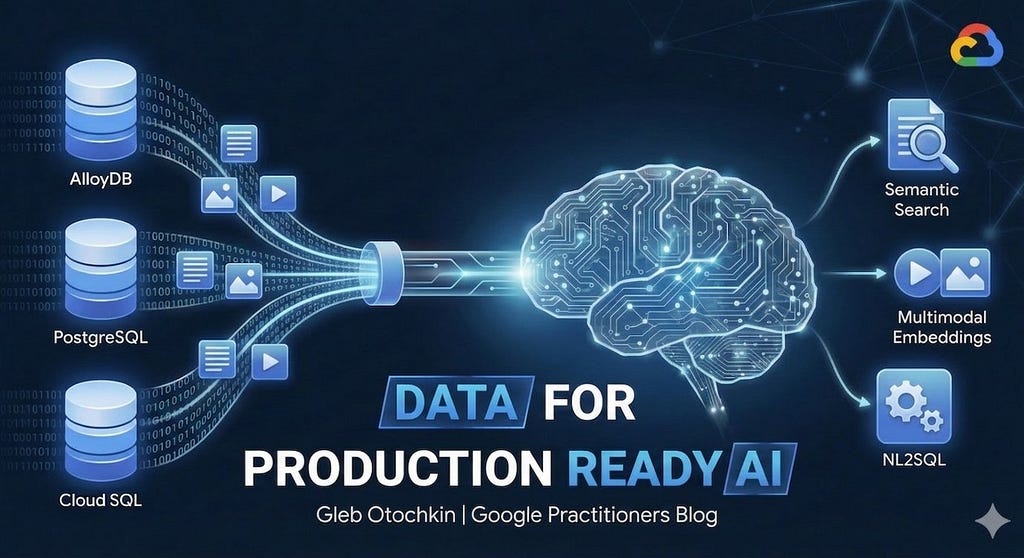
Google Cloud databases has seen tremendous updates when it comes to incorporating AI integrations. How about trying out various codelabs that cover features ranging from text/multi-model embeddings to latest AlloyDB AI features. For more details, check out the blog post that highlights several codelabs that you can try out today.
Containers and Kubernetes
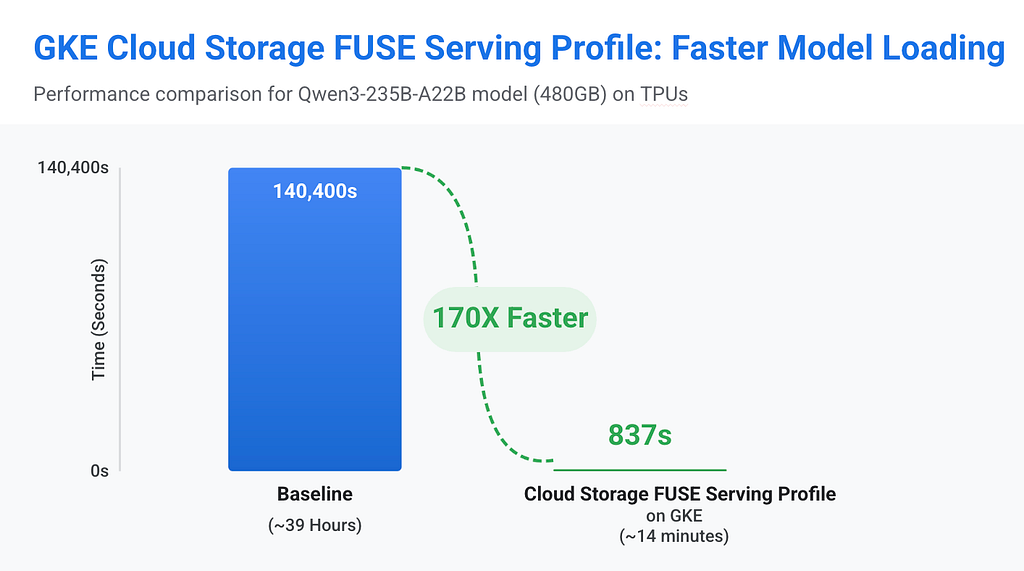
Cloud Storage FUSE is well known with GKE users as a service that provides high-performance, scalable access to data stored in Google Cloud Storage. To make it easier to get maximum performance, a new feature GKE Cloud Storage FUSE Profiles has been introduced, to automate performance tuning and accelerate data access for your AI/ML workloads (training, checkpointing, or inference) with minimal operational overhead. Check out the details.
Infrastructure
Building large-scale AI infrastructure is a complex task and its best to understand it from players like Google, who have been managing it for years. Google Cloud has introduced a framework for architecting reliable GPU ecosystems designed for multi-trillion parameter models. The strategy shifts from treating hardware as a utility to an integrated system that manages the statistical probability of hardware variance in massive clusters. Check out the framework.
Networking
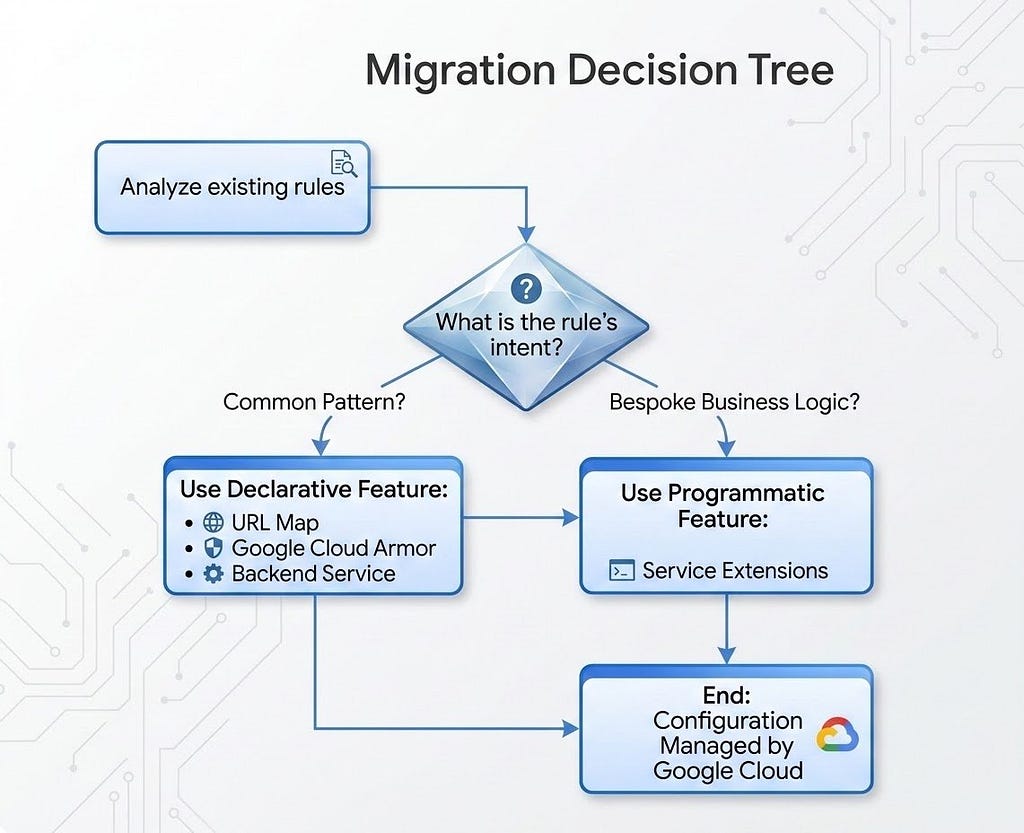
As you move your applications from on-premise to the cloud and especially if you have been running multiple applications locally on-premise behind a load balancer, then migrating to Google Cloud’s Application Load Balancer needs to be understood well. Check out a guide that outlines a technical, four-phase approach focusing on discovery, mapping, testing, and cutover. As an example, common patterns, such as redirects, rewrites, and basic header manipulations, are mapped to built-in declarative features like URL maps, Cloud Armor security policies, and backend service configurations.
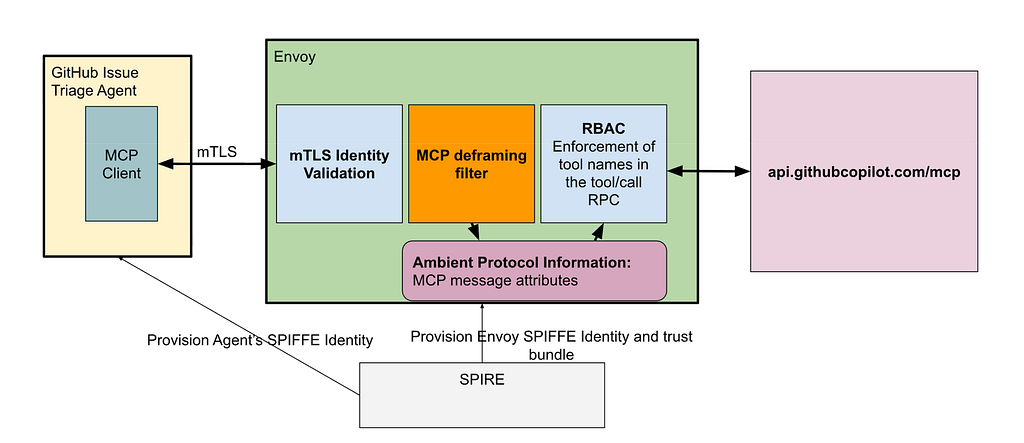
How is the network layer is evolving for agentic AI? Enter a guide that highlights Envoy, a future ready foundation for agentic AI networking. It includes a specialized data plane to handle the complexities of agentic AI protocols like Model Context Protocol (MCP) and Agent2agent (A2A). Unlike traditional networking, Envoy uses deframing extensions to inspect request bodies for model names and tool calls, enabling fine-grained security through RBAC and external authorization. Learn more about this here.
Customers
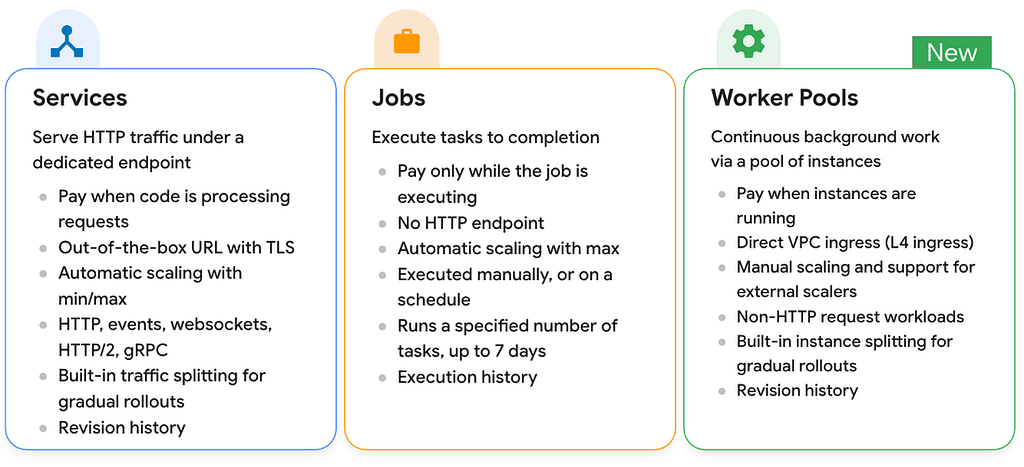
Cloud Run worker pools, offers a cost-efficient alternative to standard request-driven services for long-running tasks. It has a new feature that is designed for pull-based, continuous background workloads that require an “always-on” environment. This helps users decouple web tiers from heavy processing tasks like LLM inference, utilizing Cloud Pub/Sub to ensure message durability and manage traffic spikes without losing data. For more details, check out the blog post and how Estée Lauder Companies uses it.
Write for Google Cloud Medium publication
If you would like to share your Google Cloud expertise with your fellow practitioners, consider becoming an author for Google Cloud Medium publication. Reach out to me via comments and/or fill out this form and I’ll be happy to add you as a writer.
Stay in Touch
Have questions, comments, or other feedback on this newsletter? Please send Feedback.
If any of your peers are interested in receiving this newsletter, send them the Subscribe link.
Google Cloud Platform Technology Nuggets — April 1–15, 2026 was originally published in Google Cloud – Community on Medium, where people are continuing the conversation by highlighting and responding to this story.
Source Credit: https://medium.com/google-cloud/google-cloud-platform-technology-nuggets-april-1-15-2026-1f0874af56b0?source=rss—-e52cf94d98af—4
About the Author