Welcome to the June 16–30, 2026 edition of Google Cloud Platform Technology Nuggets. The nuggets are also available on YouTube.
Data Analytics
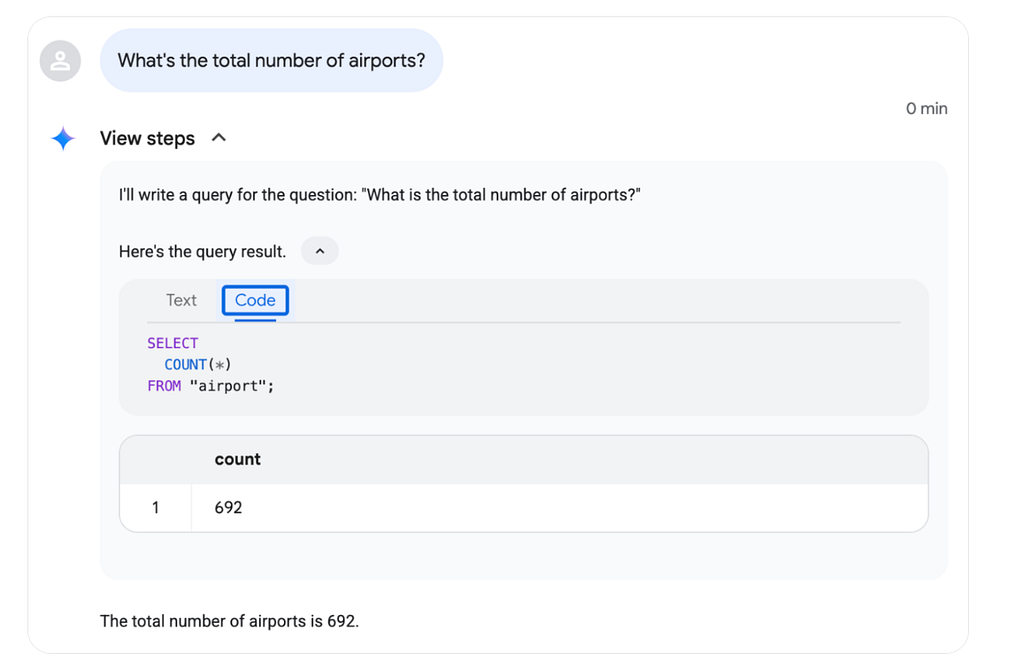
Agentic Data Cloud has a few updates:
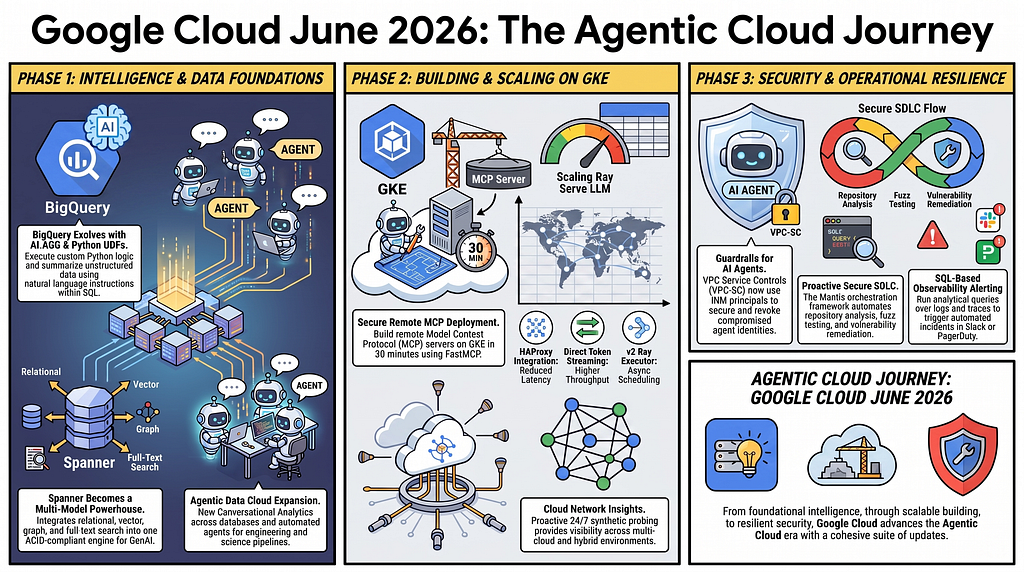
- Conversational Analytics has been expanded across BigQuery, Lakehouse, AlloyDB, Spanner, and Cloud SQL, enabling users to query data lakes and operational databases using natural language.
- New automated tools include the Data Engineering Agent for pipeline maintenance
- Data Science Agent for feature suggestion and notebook generation
- Specialized Database Observability and Onboarding agents.
- Looker Dashboard Agent and Conversational Analytics in Gemini Enterprise provide dashboard insights and a unified interface for business users.
- Addition multiple tools for integrtion have been introduced/expanded and that includes the Data Agent Kit, Managed MCP Servers for databases and Looker to securely connect AI models, the MCP Toolbox for Databases 1.0, and QueryData for natural language to SQL conversion.
For more details, check out the blog post.
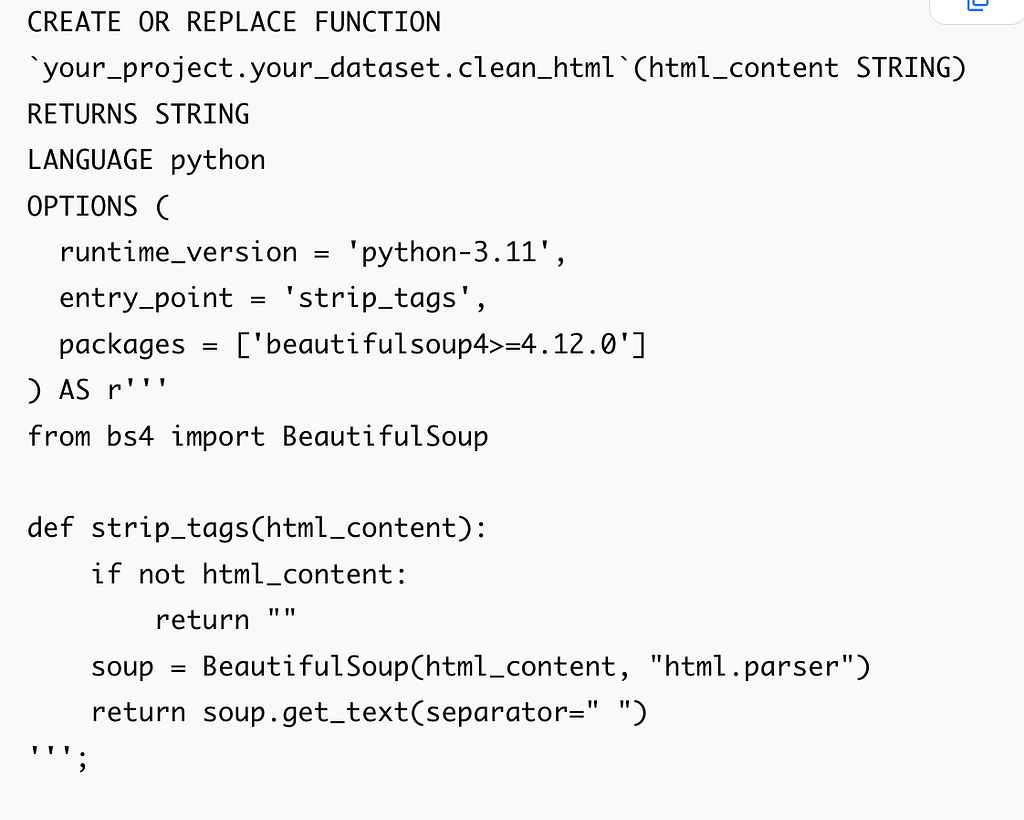
BigQuery Managed Python User-Defined Functions (UDFs) are now in General Availability (GA). This feature allows you to execute custom Python logic, such as procedural operations, scientific computations, string manipulations, and machine learning workflows, using standard SQL queries or BigQuery DataFrames. Running on serverless infrastructure managed by BigQuery, it automatically handles compilation, image building, security patching, deployment, and scaling without requiring manual container or infrastructure management. Users can access the Python ecosystem, including libraries like NumPy, SciPy, pandas, and scikit-learn, as well as securely integrate external APIs or Google Cloud services. For more details, check out the blog post.
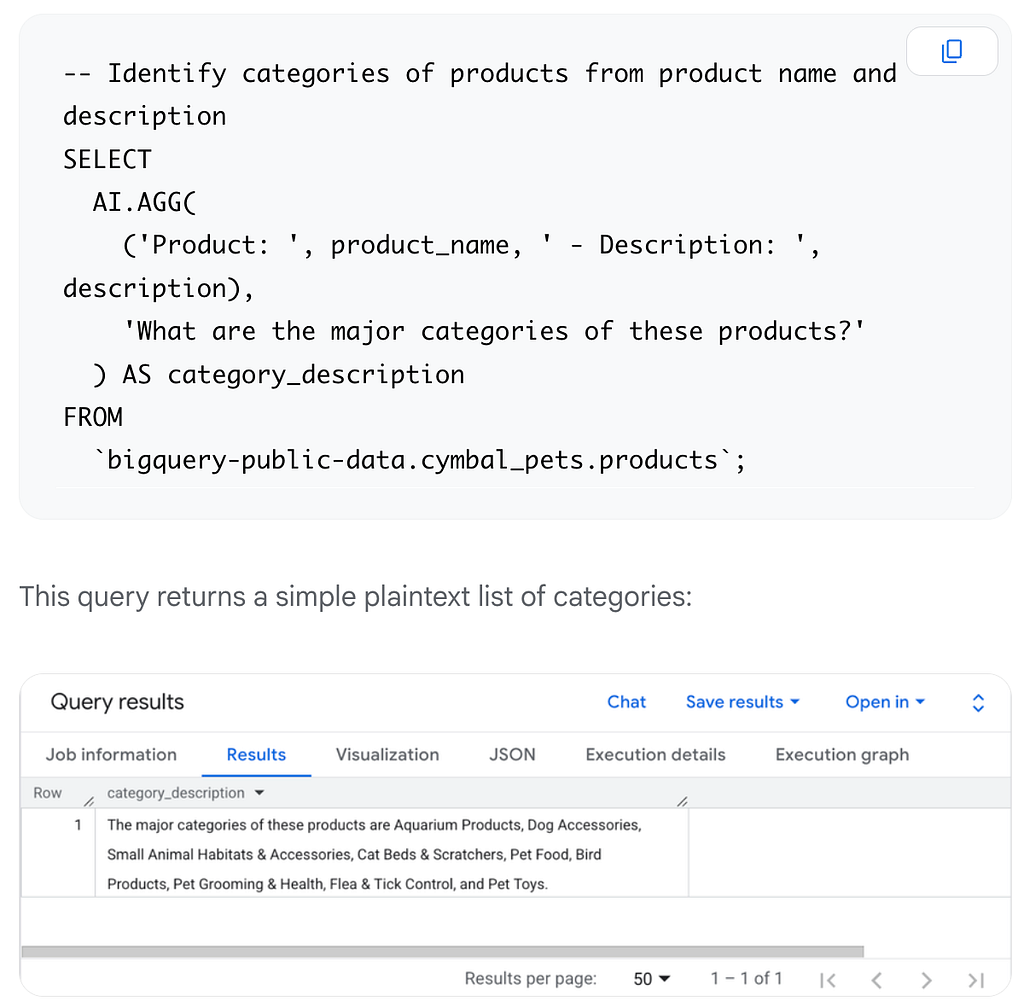
BigQuery continues to push the envelope when it comes to integrating AI features deep into its offerings. We have a preview of the BigQuery AI.AGG() function, which allows developers to use natural-language instructions within SQL to summarize and synthesize unstructured or multimodal data across multiple rows. The function processes data by automatically dividing input rows into batches to manage language model context windows, skips NULL values (or entire rows if a field within a structured row is NULL), and outputs results strictly as a plaintext string. It can be paired with other functions like AI.CLASSIFY() to build automated pipelines, such as generating categories from product descriptions to label data. To optimize performance and token usage, practitioners should pre-filter data using LIMIT and can explicitly control the model endpoint by specifying short-form or fully-qualified model names. For more details, check out the blog post.
BigQuery Graph, which was recently released, is being employed to address some interesting use cases. The financial company Curve partnered with Google Cloud to implement BigQuery Graph, to scale network analysis for fraud prevention. This is clearly moving beyond traditional relational data modeling to address the computational complexity and data scale constraints of multi-hop analysis. By utilizing native Graph Query Language (GQL) support within their existing data warehouse, Curve eliminated the need to migrate data, simplified their architecture by modeling payments as property graphs with user nodes and shared identifier edges, and combined graph traversals with standard SQL pipelines, search, and machine learning workflows. For more details, check out the blog post.
Databases
Google Cloud has outlined how Spanner operates as a multi-model database engine to support writing applications that for generative AI and autonomous workflows. Rather than utilizing separate database systems, Spanner integrates relational, vector, graph, key-value, and full-text search capabilities within a single, ACID-compliant framework. Key technical features include Spanner Graph for constructing knowledge graphs using the GQL standard, integrated vector search powered by Scalable Nearest Neighbors (ScaNN) algorithms for low-latency retrieval-augmented generation (RAG), and a built-in columnar engine that processes analytical queries directly on live operational data without affecting transactional performance. For more details, check out the blog post.
Developers & Practitioners
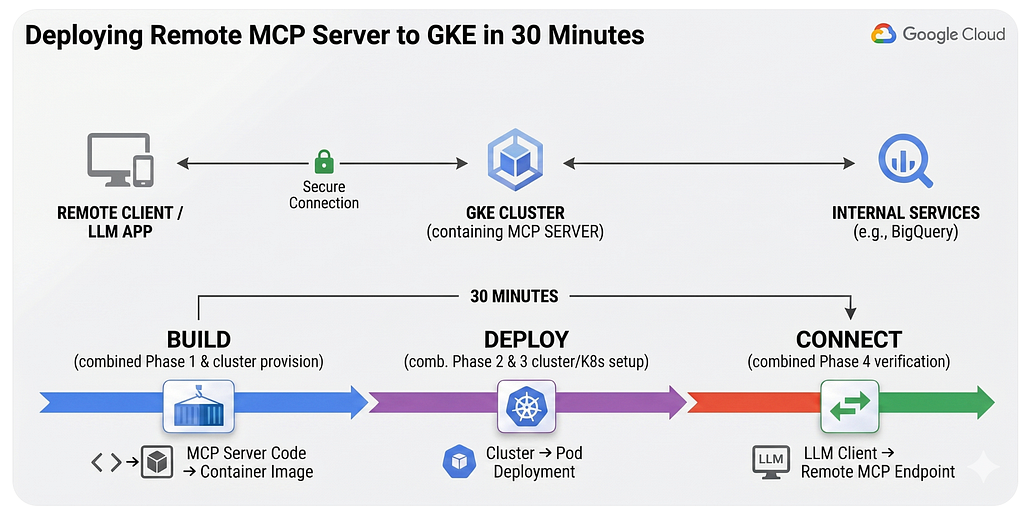
If you are looking to build and deploy a secure, remote Model Context Protocol (MCP) server, this article provides a guide to doing so on Google Kubernetes Engine (GKE) using the Python framework FastMCP. The tutorial explains how to transition from local stdio transport to the remote-accessible streamable-http transport, which allows the stateless server to handle multiple client connections over standard HTTP POST and GET requests. The infrastructure setup is managed through the Kubernetes Gateway API combined with Google-managed SSL certificates to enforce encrypted HTTPS traffic, static IP allocation, and GCPBackendPolicy to ensure client session affinity.
Containers and Kubernetes
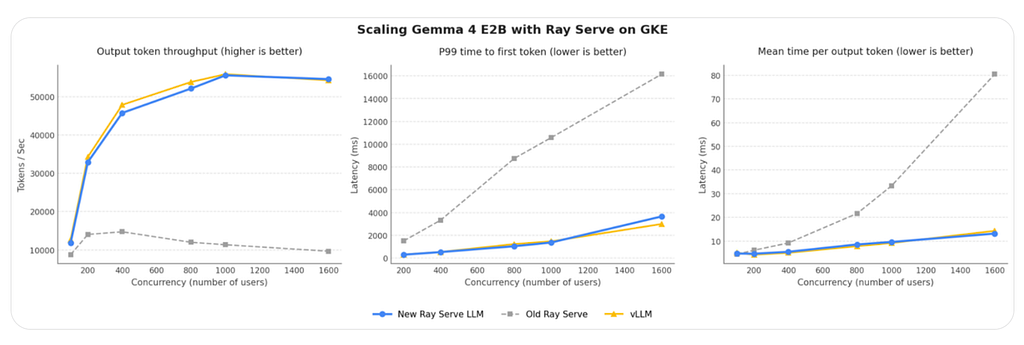
Looking to scale Ray Serve LLM on Google Kubernetes Engine (GKE) without losing performance? Google Cloud and Anyscale have introduced three architectural updates to improve throughput and reduce latency.
- HAProxy is integrated into Ray Serve to manage internal request routing and load balancing, reducing proxy overhead.
- A direct token streaming architecture allows tokens to stream directly from model replicas back to the proxy, bypassing the ingress router.
- The v2 Ray executor backend for vLLM enables asynchronous scheduling by moving Ray out of the data plane.
These capabilities are available in Ray release 2.56 and later, and can be deployed using the Ray Operator add-on for GKE. For more details, check out the blog post.
Security and Identity
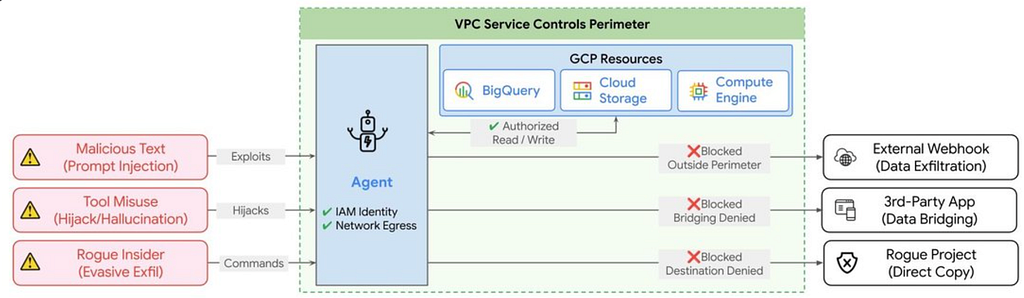
Google Cloud has introduced new perimeter guardrail capabilities in VPC Service Controls (VPC-SC) designed to secure autonomous AI agents and prevent data exfiltration. Key technical updates include the ability to add agent identities and collections of agents (principalSets) directly to service perimeter ingress and egress rules using IAM principals, enabling rapid revocation if an agent is compromised. Additionally, VPC-SC now supports conditional access rules based on specific Model Context Protocol (MCP) attributes like tool name, method, and read-only status to enforce tool-level policies. The system also features native integration with the Gemini Enterprise Agent Platform, automatically blocking all public internet access to the platform instance when it is included within a protected perimeter. These network-level controls work alongside identity and organization resource controls to defend against specific threat vectors such as indirect prompt injection, tool misuse, and insider threats by evaluating the destination resource of API requests, even if the agent possesses valid IAM credentials. For more details, check out the blog post.
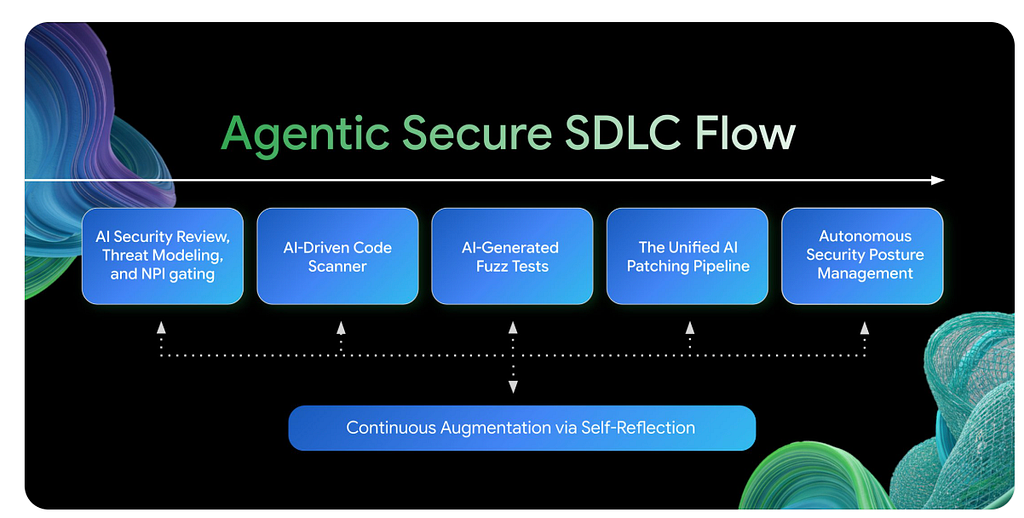
The second Cloud CISO Perspectives for June 2026 is out. This edition covers what it means to transition your security posture to a proactive model. The edition shares how Google Cloud has introduced specialized AI agents directly into its software development lifecycle to create automated guardrails. The architecture utilizes a multi-agent orchestration framework called Mantis for context-aware repository analysis alongside automated pipelines for self-healing fuzz testing and autonomous vulnerability remediation.
Infrastructure and Networking
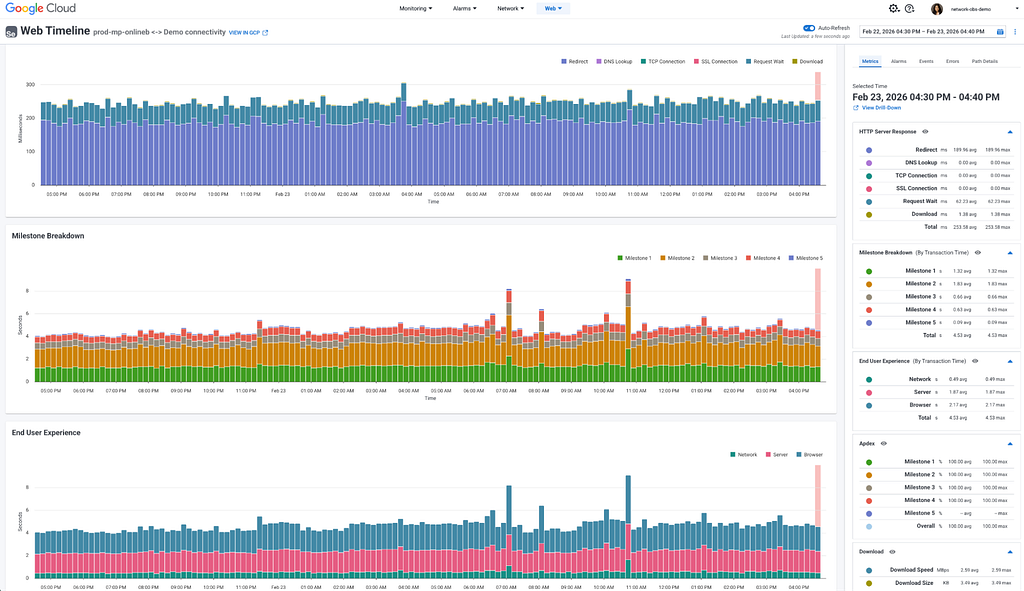
Cloud Network Insights, an out-of-the-box, native solution developed in partnership with Broadcom AppNeta, has been introduced to provide visibility into network and digital experience performance across multi-cloud and hybrid environments. The tool uses active synthetic probing, where lightweight software agents called Monitoring Points are deployed into network segments to send bursts of simulated traffic 24/7. The performance telemetry synchronizes back to Google Cloud, integrating directly with Cloud Monitoring and Cloud Logging for automatic baselining, proactive alerting, and policy-driven automation. For more details, check out the blog post.
Operations and Management
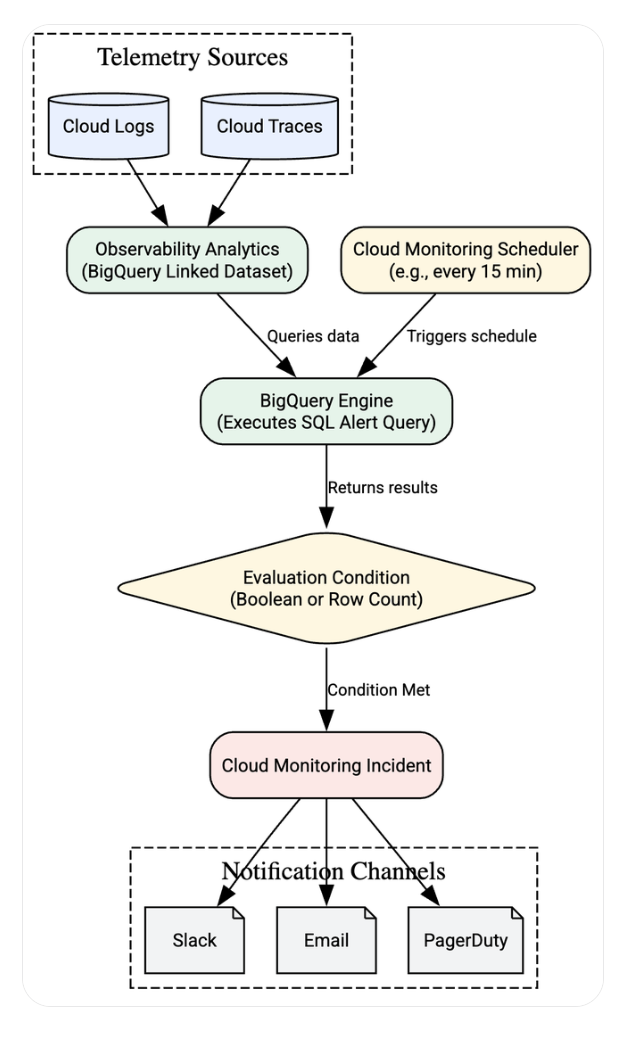
SQL-based alerting is now available in Observability Analytics. It allows developers to run analytical queries over logs and traces to create custom alerts. Operating as part of Cloud Monitoring, the alerting engine executes user-defined SQL queries on a schedule and applies an automatic lookback window to evaluate only the telemetry data received since the previous run. If the query results meet the specified conditions, the system creates an incident and triggers notifications via configured channels such as email, Slack, or PagerDuty. Users can choose between a row count threshold condition, which fires when the number of returned rows crosses a set limit, or a boolean condition, which triggers if a designated column evaluates to true. For more details, check out the blog post.
Write for Google Cloud Medium publication
If you would like to share your Google Cloud expertise with your fellow practitioners, consider becoming an author for Google Cloud Medium publication. Reach out to me via comments and/or fill out this form and I’ll be happy to add you as a writer.
Stay in Touch
Have questions, comments, or other feedback on this newsletter? Please send Feedback.
If any of your peers are interested in receiving this newsletter, send them the Subscribe link.
Google Cloud Platform Technology Nuggets — June 16–30, 2026 was originally published in Google Cloud – Community on Medium, where people are continuing the conversation by highlighting and responding to this story.
Source Credit: https://medium.com/google-cloud/google-cloud-platform-technology-nuggets-june-16-30-2026-9eae05c44666?source=rss—-e52cf94d98af—4
About the Author